Figures
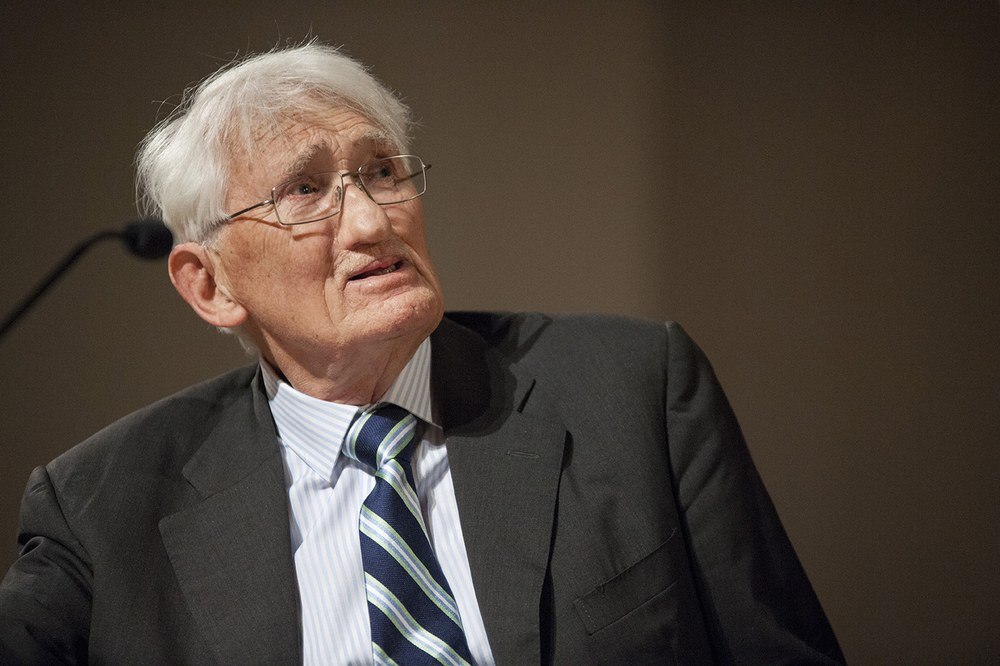
Jürgen Habermas Was West Germany’s World-Spirit
Hans-Georg Backhaus (1929-2026)
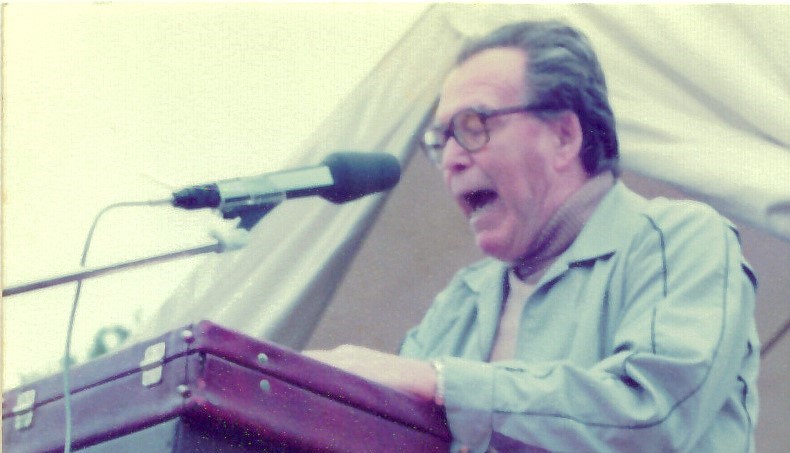
Jakob Moneta (1914–2012): Jewish Internationalist and Socialist Trade Unionist
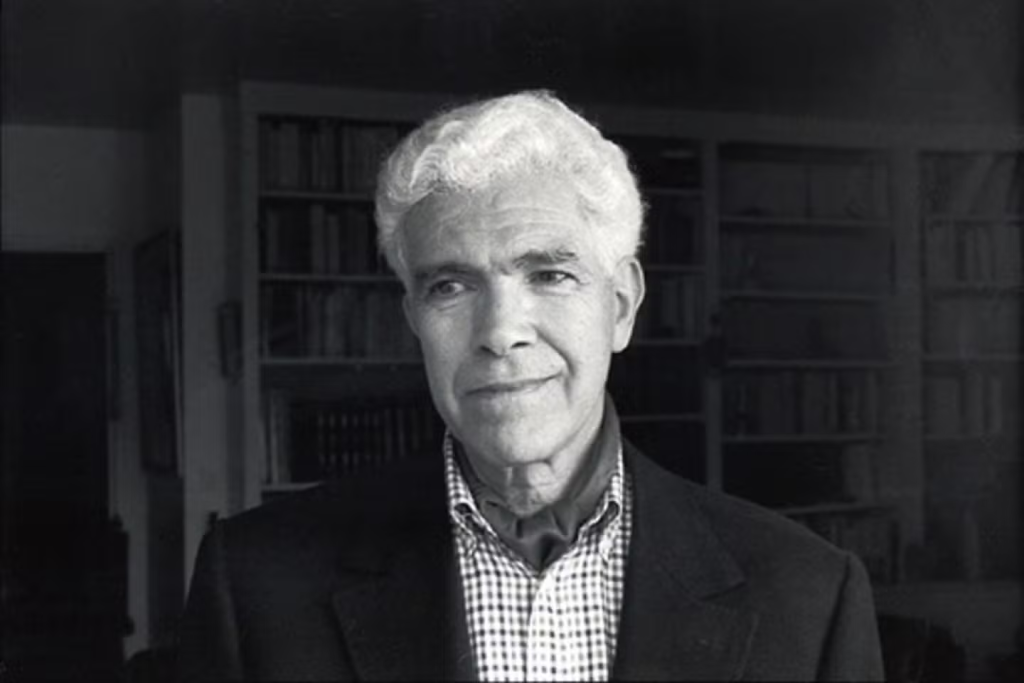
Mohammed Harbi (1933-2026): Participant in and Historian of the Algerian Revolution
On 1 January 2026 Algerian anticolonial militant and historian Mohammed Harbi passed away, aged 92. Describing himself as a ‘Marxist in a nationalist organisation’, Harbi was a militant in the Algerian Front de libération nationale (FLN) during the independence struggle between 1954 and 1962 and the early years of independence. Arrested after the 1965 coup led by Houari Boumédiène, Harbi became a fierce critic of the regime. While in French exile since 1973, he became a leading historian of the Algerian struggle and the FLN. His work combined an insider’s view, theoretical sophistication and the rigour of the historian.
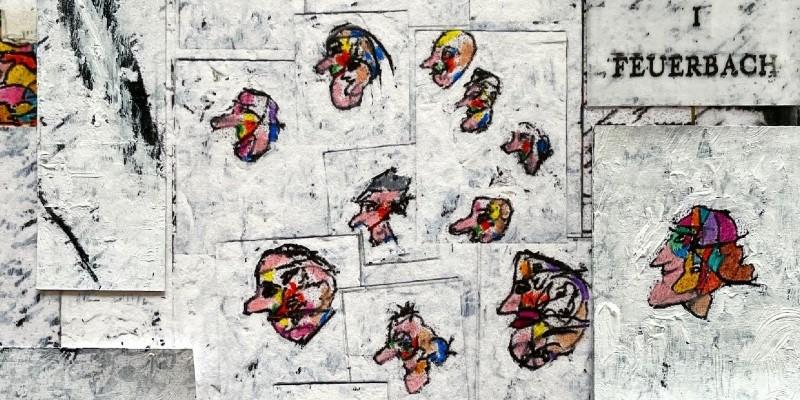
Fred Orton 1945-2025
Fred Orton has been a prominent figure in Marxist art history from the late 1970s onwards, writing mainly on modern European and American art and medieval sculpture and teaching on the highly influential MA in the Social History of Art at the University of Leeds.[1] His compelling, highly particular voice, helped transform a field of study and he will be hugely missed by his admirers and friends. Unlike many former allies, Orton never wavered from this intellectual-political commitment to Marx and Marxism. As with a number of other British art historians, his interest in the history and theory of art began while at art school. In his case, Coventry College of Art where Terry Atkinson, who taught there part time during his final year, and Michael Baldwin, a fellow student, went on to found the highly-influential collective Art & Language. Orton maintained a close interest in the British wing of Art & Language and, during the first part of the 1980s, this developed into collaboration when he became a member of the group, both writing and painting under their egis.
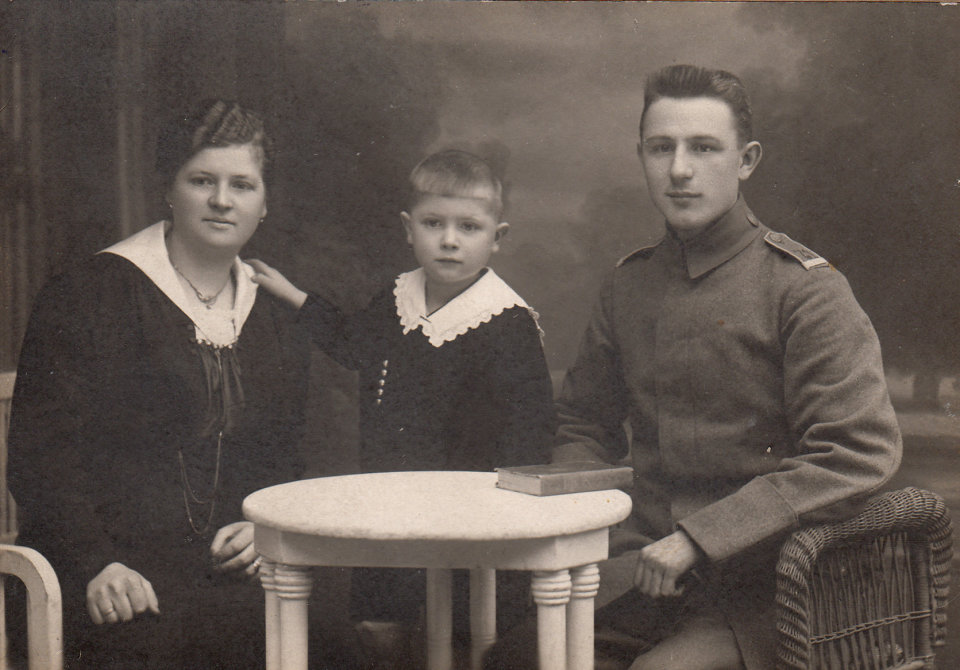
Paul Schäfer: Opponent of Hitler, Victim of Stalin
Paul Schäfer (1894-1938) was an early member of the KPD in Erfurt. After participating in the resistance against the Kapp Putsch of 1920, he became involved in municipal politics for the KPD. When he was fired from his job in a shoe factory, he became a full-timer for the movement.
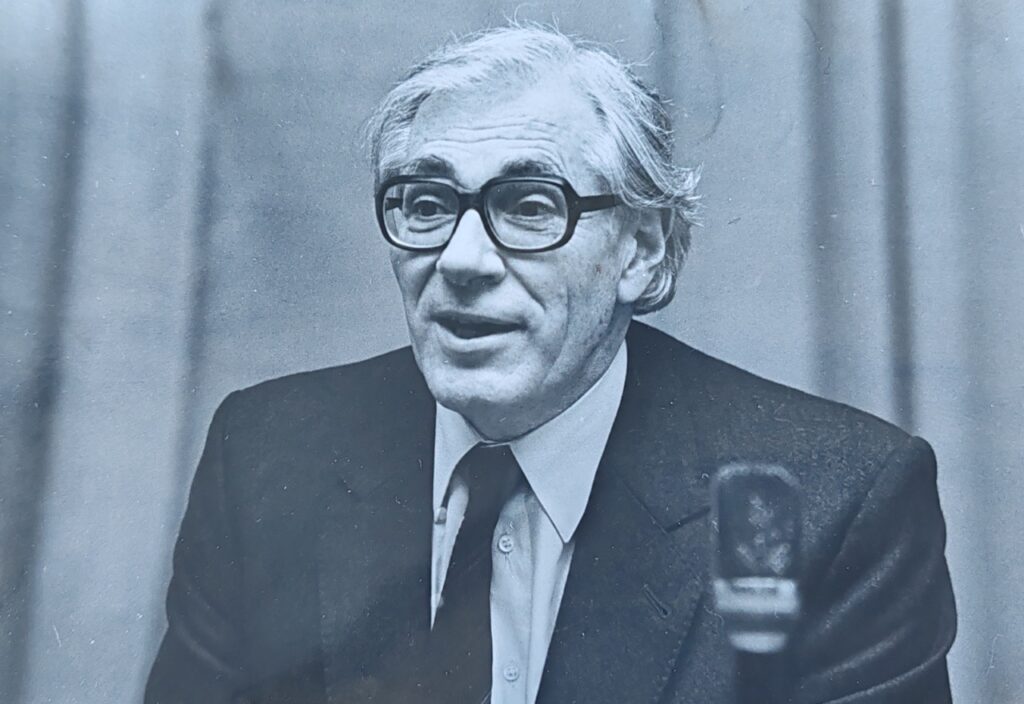
Reflexive Materialism: The Philosophy of Hans Heinz Holz as Foundation of Materialist Dialectics
Hans Heinz Holz (1927–2011) was one of the most outstanding and eminent Marxist philosophers of the second half of the 20th century. As he described in interviews shortly before his death in February 2011, his involvement in the resistance against National Socialism as a high school student marked the beginning of his intellectual development.[1] Incarcerated by the Gestapo, he became acquainted with a fellow inmate—a communist—who introduced him to Marxism.
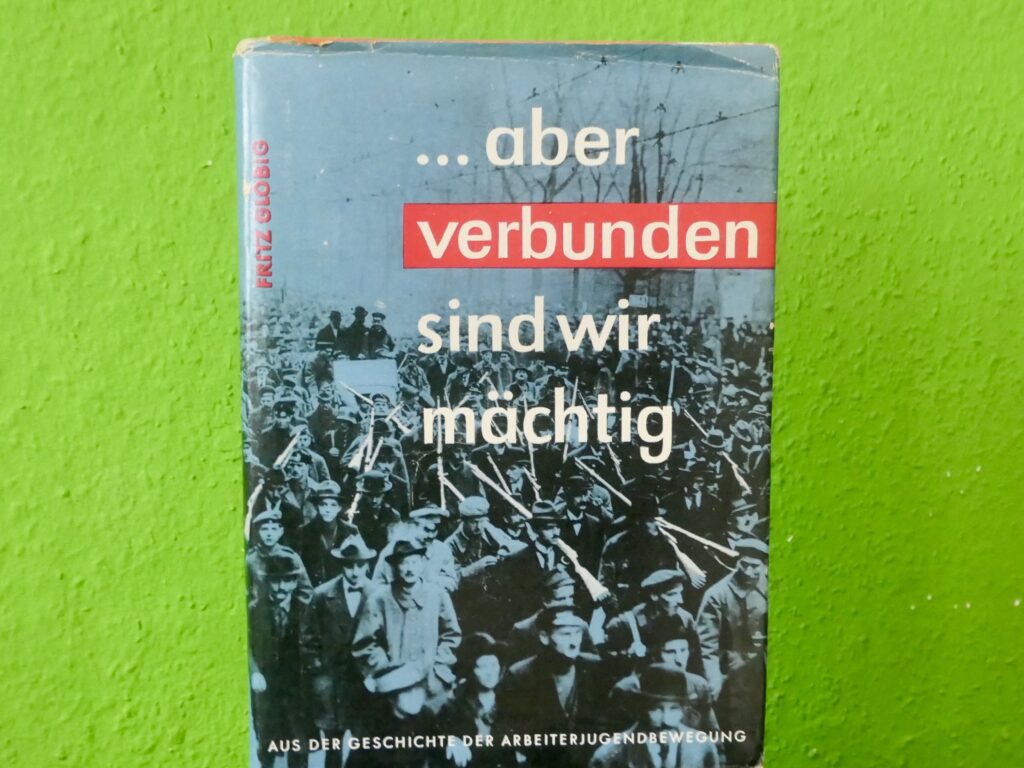
The One-Armed Communist Kid — Fritz Globig’s Autobiography
In 1896, a new electric tram began service in the Saxon city of Dresden. Eleven days later, the incomprehensibly horseless carriage ran over a four-year-old boy. Fritz Globig’s lower right arm had to be amputated, and the trauma defined the rest of his life.
Peter Ruben (1933–2024)
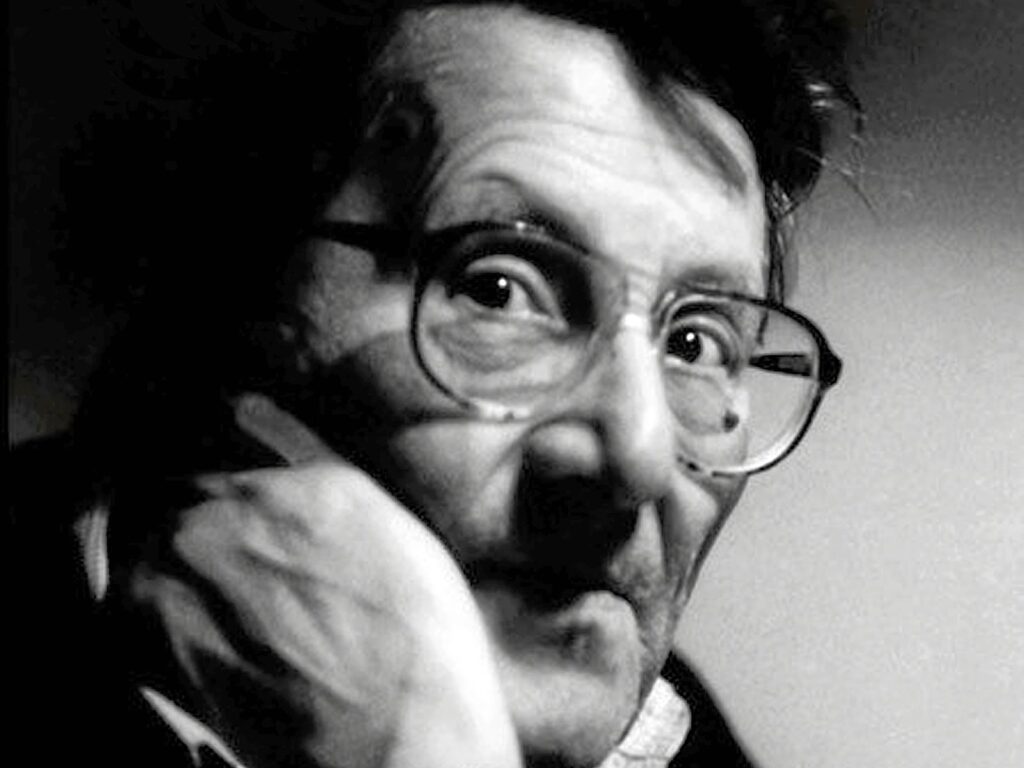
Polemics tend to thrive during periods of significant social upheaval. In West Germany during the 1960s, it became a communication strategy aimed at addressing the lingering effects of post-fascism. In contrast, the rise of polemics in the German Democratic Republic (GDR) was primarily driven by an enhanced self-confidence among the technical and scientific intelligentsia, which resulted from their integration into the planning and control centers of socialism.
Hubert Laitko (1935-2024) – German philosopher, historian of science and researcher on science studies
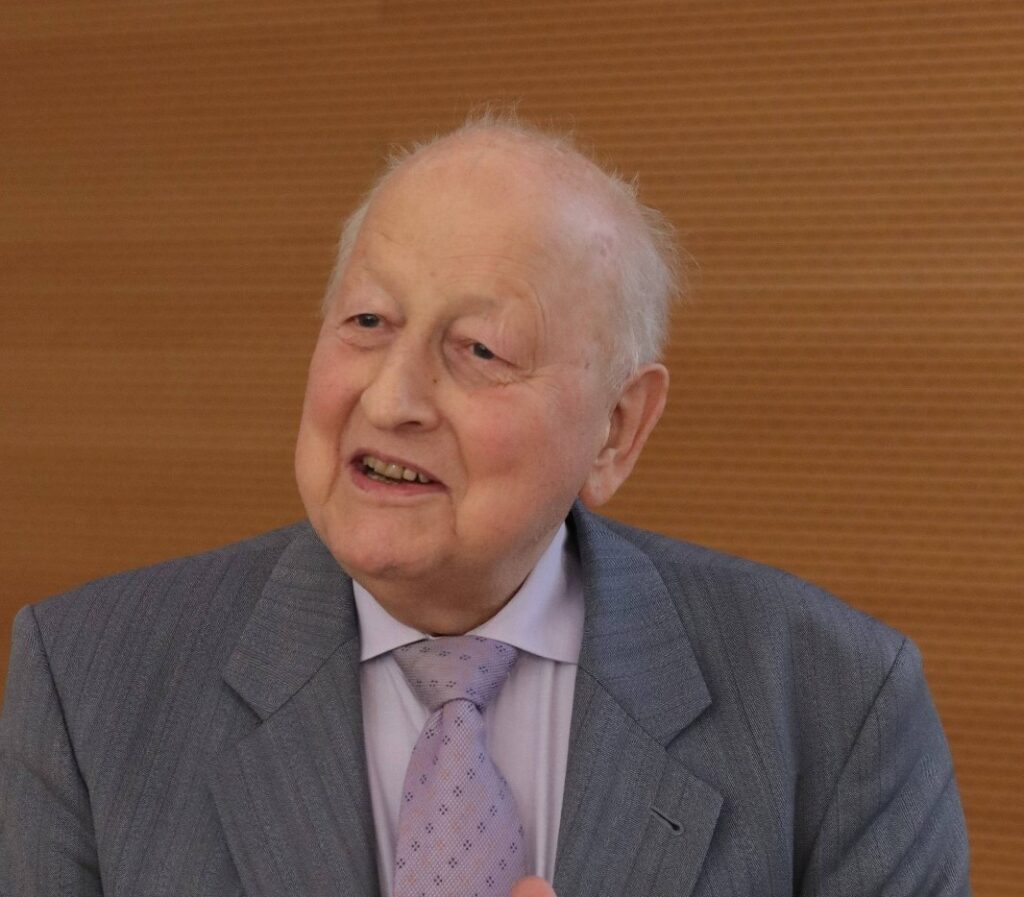
Hubert Laitko – a German philosopher, historian of science, and scholar of science studies died on 9 September 2024 in Berlin.
Theory without Praxis? A Trotskyist Reads the Zeitschrift für Sozialforschung
The revolutionary career is not a series of banquets and a string of honorific titles, nor does it hold the promise of interesting research or professors’ salaries. It is a passage toward the unknown with misery, disgrace, ungratefulness and prison as its way stations. Only an almost superhuman belief illumines it, and merely talented people therefore choose it only rarely. – Horkheimer, Dawn, 1926-1931.