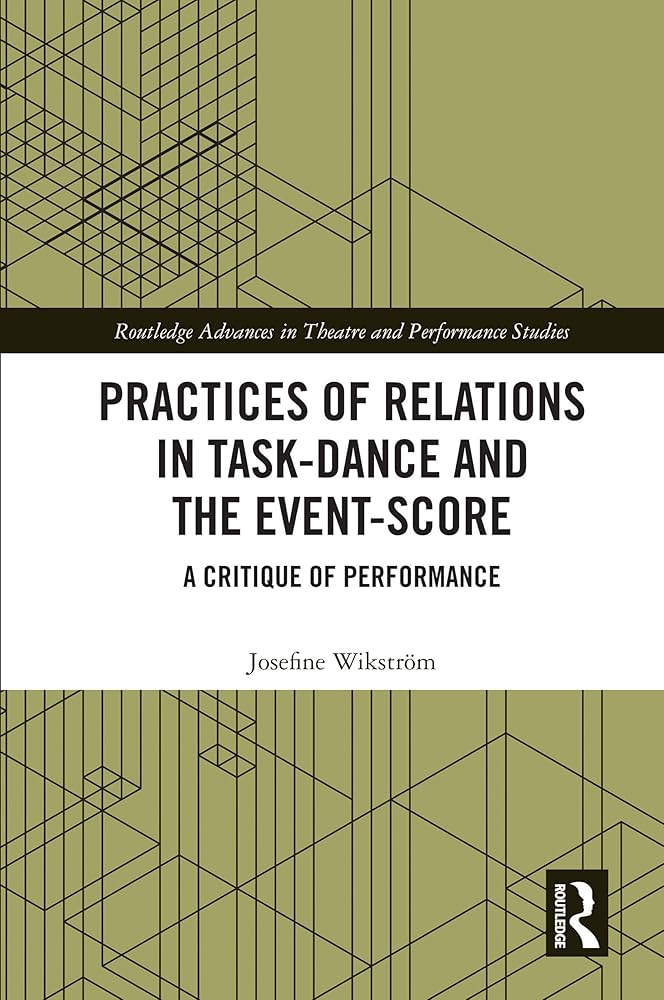
Dance, Labour and Abstraction
Josefine Wikström’s book Task Dance and Event Score: A Critique of Performance is a very timely and compelling contribution to the understanding of labour in art theory.
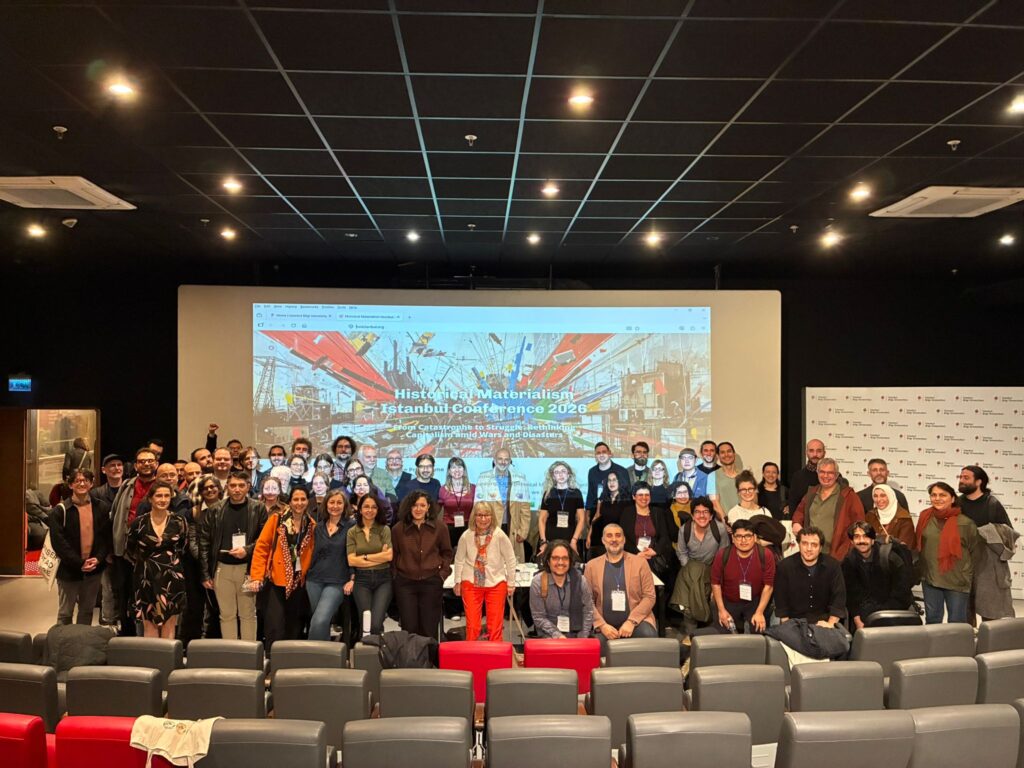
HM Istanbul 2026 Final Declaration
From 3 to 5 April 2026, hundreds of people from every continent came together at the HM Istanbul 2026 Conference. Convened at Istanbul Bilgi University, Santral Campus, the conference took place under the theme “From Catastrophe to Struggle: Rethinking Capitalism amid Wars and Disasters”. Across 127 panels and with 456 speakers, the conference brought into dialogue a wide range of struggles, experiences, and critical perspectives on war, ecology, authoritarianism, class, gender, race, social reproduction, and resistance.
LETTER FROM COMRADE SAPRONOV
Text in English, Russian
Sapronov letter to Nechaev
Text in English, Russian
After the XV Congress of the VKP(b).
Text in English, Russian
RESOLUTION AGAINST DEMOCRATIC CENTRALISM
Text in English, Russian
Letter to Sapronov
Text in English, Russian
APPEAL TO THE WORKERS OF THE ROGOZHSKO-SIMONOVSKY DISTRICT.
Text in English, Russian
FROM DESERTION TO TREASON
Text in English, Russian
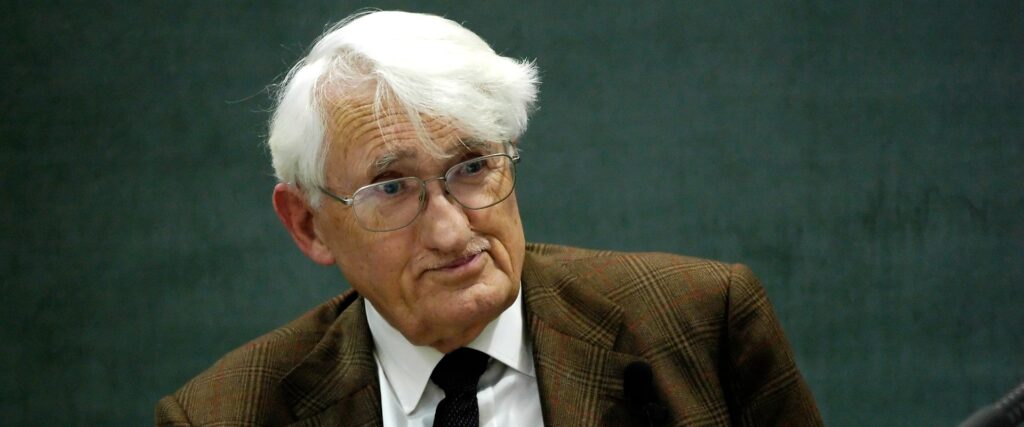
Reckoning with Habermas
Habermas's errors and even his blind spots do not diminish his intellectual stature. Without him, the darkness deepens still further in a Germany and a Europe that appear increasingly adrift.
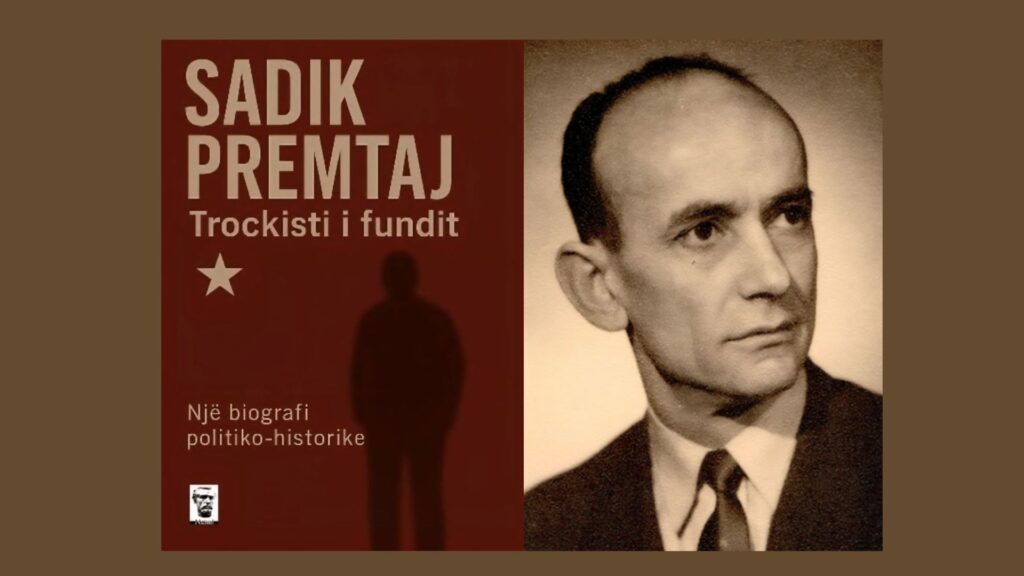
The Last Albanian Trotskyist?
Little known today, Sadik Premtaj is nonetheless a crucial figure for understanding the early years of the Communist Party of Albania (CPA).
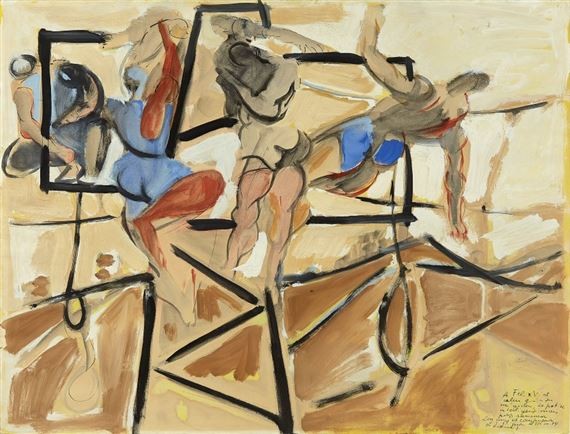
A Line Is Followed, a Strategy Is Constructed – An Interview with Henri Lefebvre (1979)
This interview with Henri Lefebvre was conducted for the French Communist Party (PCF) journal La Nouvelle Critique in 1979. As the interview shows, Lefebvre's renewed engagement with the PCF was neither nostalgic nor opportunistic but grounded in his conviction that Marxism required continual theoretical renegotiation if it was to remain capable of grasping contemporary reality.