Book Reviews
While our journal no longer carries a reviews section, and shorter reviews are now featured on our website, Historical Materialism welcomes articles addressing key contemporary interventions in critical Marxist theory or literature reviews that seek to provide critical surveys of contemporary debates. The word length and criteria for these articles, including the peer-review process, are the same as for other submissions to the journal.
If you are interested in writing articles that critically address recent volumes in critical Marxist theory or critical literature reviews please contact the editorial board in advance with information about the volume(s) under consideration and a short abstract (250 words) outlining your argument.
If you are interested in submitting a shorter review, about a recent Marxist publication to the website, please send us your submission directly to website@historicalmaterialism.org.
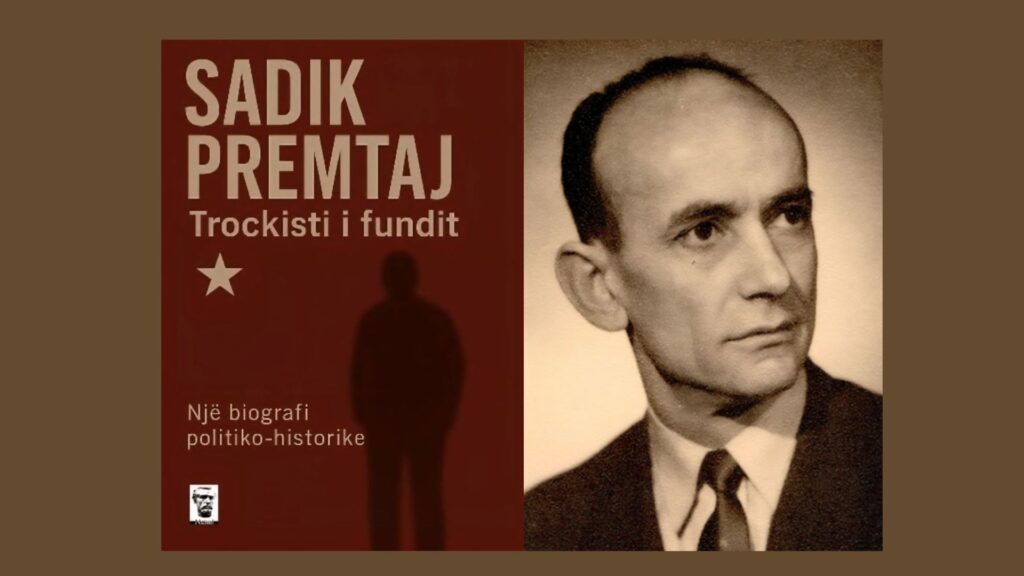
The Last Albanian Trotskyist?
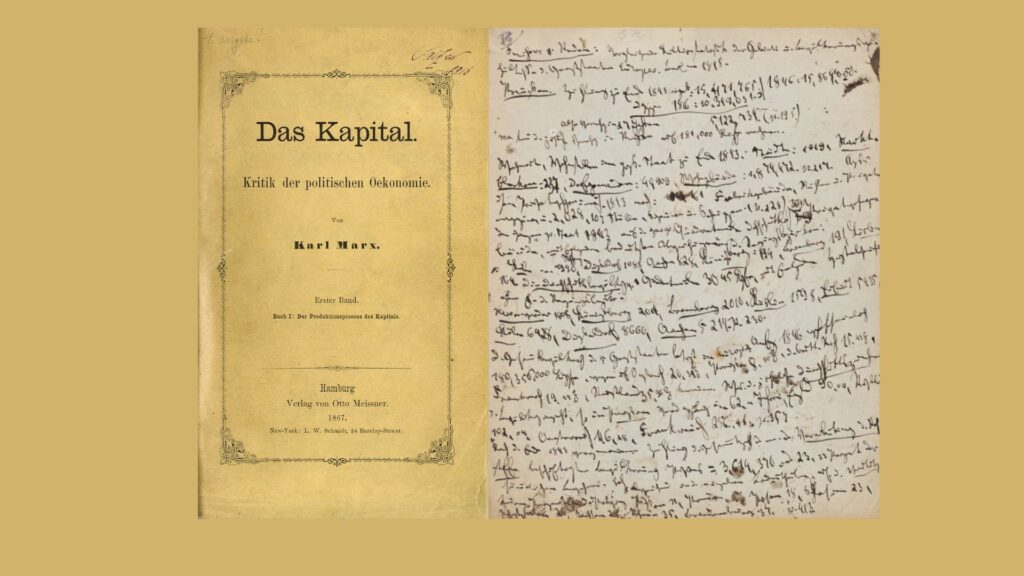
A Timely Book on Urgent Questions: Marx’s Theory of Value at the Frontiers
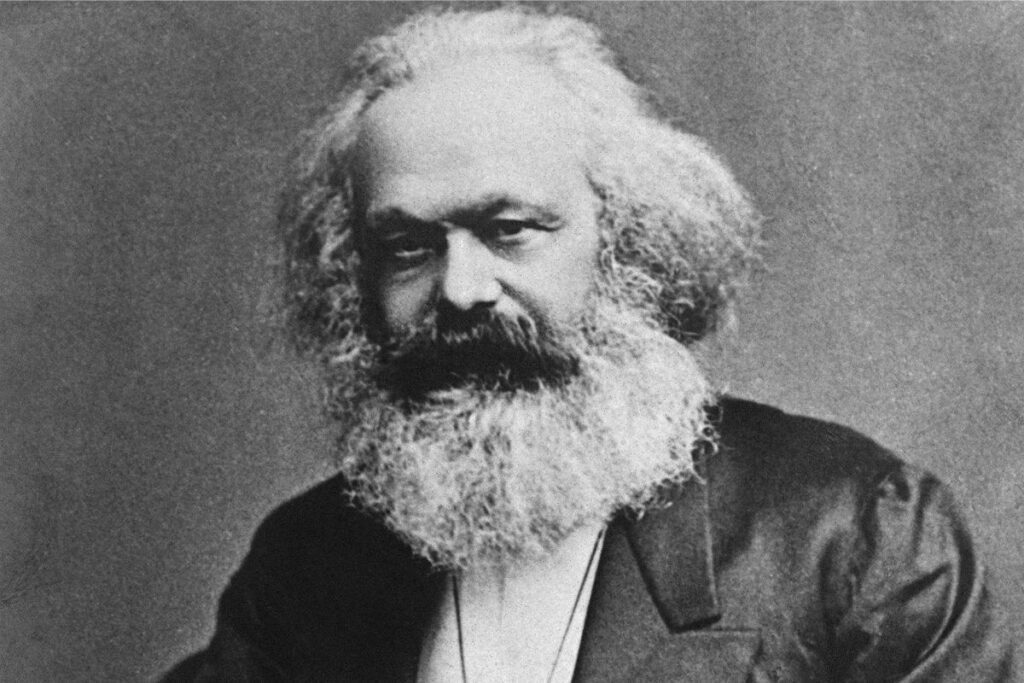
Marx the Good

On Zionism, capitalism, and labour: a review of Matan Kaminer’s Capitalist Colonial
Matan Kaminer, Capitalist Colonial: Thai Migrant Workers in Israeli Agriculture, Stanford University Press, 2024.

Fully Emasculated, Red Lipstick Communism Now!
Ciara Cremin, The Spectral Woman: Transfemininity and the Abolition of Gender, Pluto Press, 2025

Enemies, Comrades, and The Counterrevolutionary Logic of Cisness
Nat Raha and Mijke van der Drift, Trans femme futures: Abolitionist ethics for transfeminist worlds. Pluto Press, 2024.

Council Communists Meet Philosophers from Heidelberg – The Pre-History of Critical Theory in 1920s Germany
In the Twilight. Studies on the Pre- and Early History of Critical Theory) by Christian Voller, Matthes & Seitz, 2022, 414 pages, German.

Materialism and the Legal Form
Sonja Buckel, Subjectivation and Cohesion, trans. Monika Vykoukal (Brill, 2021)
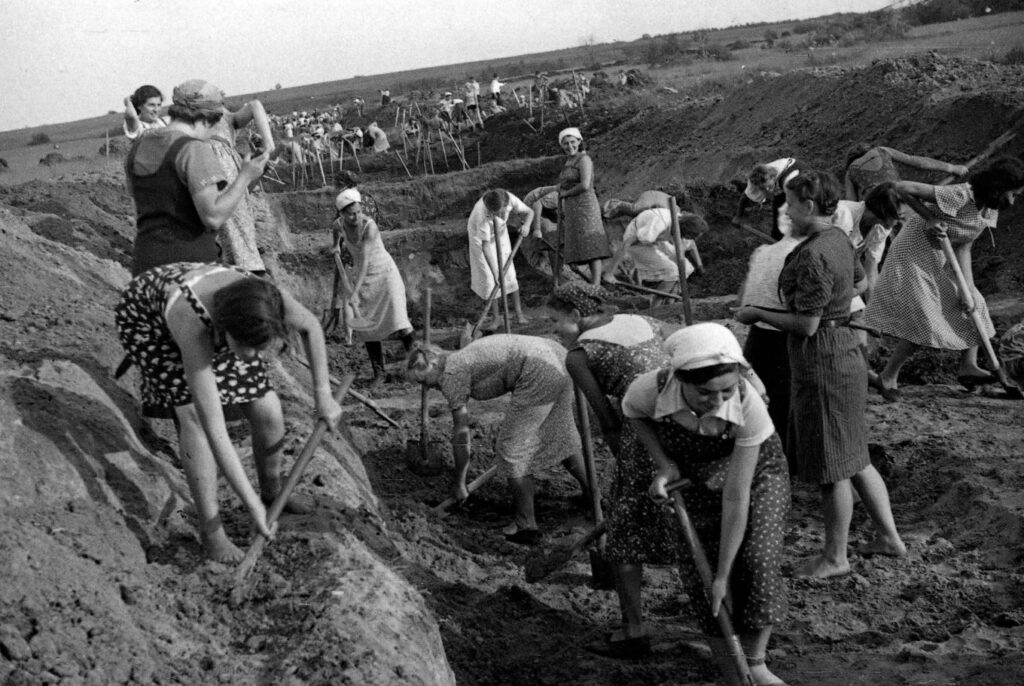
The USSR Home Front and World War II
Wendy Z. Goldman and Donald Filtzer (eds.), Hunger and War. Food Provisioning in the Soviet Union during World War II, Bloomington Indiana: Indiana University Press, 2015
Gillian Rose, Marxist Modernism: Introductory Lectures on Frankfurt School Critical Theory
It is likely that most readers will come to this book searching not for an introduction to Critical Theory (though it serves this purpose well) but for an introduction to the thought of its author, the famously difficult English philosopher Gillian Rose. Rose helped put Frankfurt School ideas on the curriculum of British universities, published books of remarkable subtlety and insight and inspired a generation of students (including myself) before, in 1995, her life was tragically cut short by cancer at the age of 48.
Audacity and Ambition, Actuality and Accuracy in the Reconsideration of American Communism
Joshua Morris, The Many Worlds of American Communism (Lanham, Maryland: Lexington Books, 2022), xxiii + 497 pp.

Monism and Difference: A Review of A. Kiarina Kordela’s Epistemontology
The title alone betrays the compactness of A. Kiarina Kordela’s Epistemontology in Spinoza-Marx-Freud-Lacan: The (Bio)Power of Structure (Routledge 2018). This is a critique of modern thought and politics, including metaphysics, political economy, psychoanalysis, and structuralism, and of the ideological wrapping that enfolds them within separate domains of interest and insight.