PART FOUR Read here PART ONE, PART TWO, PART THREE You can download entire dossier as single pdf file here The Red-Brown Thread: Why Do Fascists Love Stalin? As we near the end of our essay, we want to address the connection between socialism in one country and antisemitism. We need to be careful

PART THREE Read here: PART ONE, PART TWO, PART FOUR You can download entire dossier as single pdf file here The Primacy of Stalinist Pragmatism Rockhill’s Pipers is not simply about the Frankfurt School or how they were in the pockets of Western imperialism. Were it merely a sordid tale about Adorno, Horkheimer, Marcuse, and
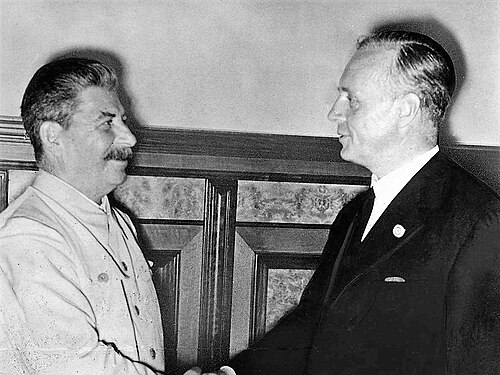
If we wish to thoroughly criticise Rockhill’s approach, we must confront the historical legacy of Stalinism. Throughout Rockhill’s work, there is an uncritical adulation of “AES”, past and present alike. He presents the Soviet Union, China, and similar states as principled opponents of imperialism and steadfast champions of world revolution. For Rockhill, criticism of AES is not merely mistaken but practically verboten – tantamount to treason against the revolution, and, at times, indistinguishable from a CIA psyop. But this rose-coloured view of the Soviet Union, China, and related regimes obscures the repeated double-crossing of anti-imperialist and workers’ struggles by Stalinism itself. These historical facts cast serious doubt on the revolutionary credentials of “Marxism-Leninism”.
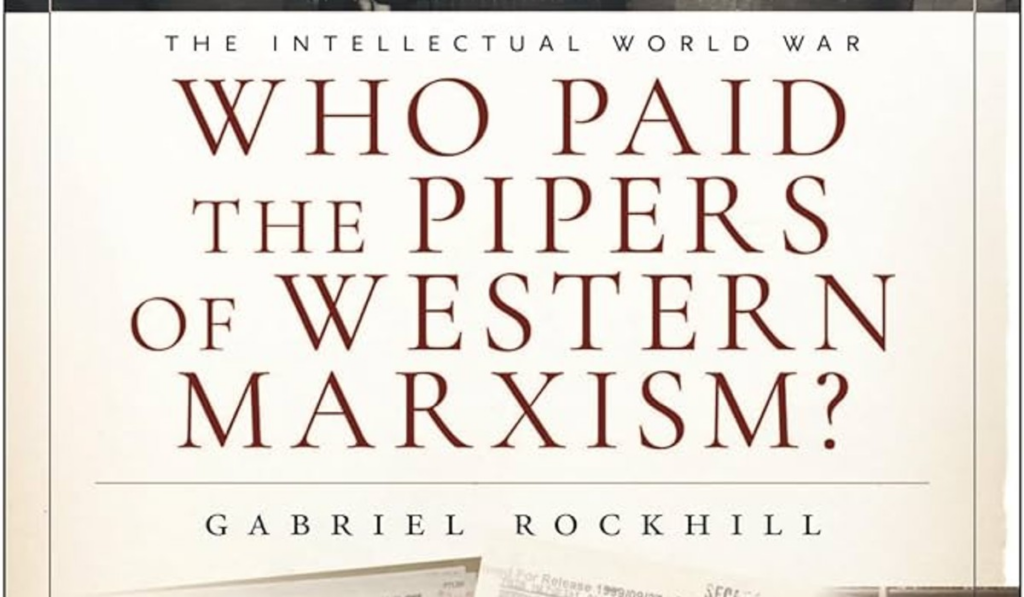
To properly address Rockhill’s claims requires not only a direct engagement with his book, but also the development of independent criticism of both Stalinism and the Frankfurt School from a standpoint distinct from these currents. This means analysing how the pessimism of the Frankfurt School emerged in relation to Stalinism, rather than in isolation from it.