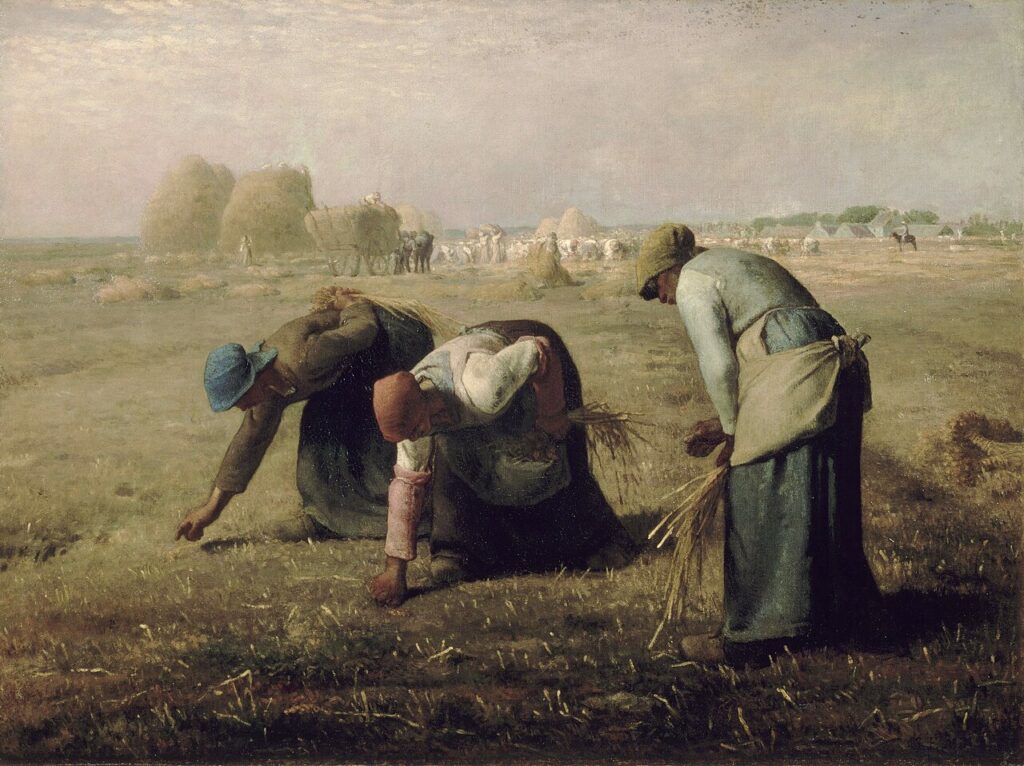
Capitalism, Peasants, Family Farms: A Bibliographical Essay
By the end of 2015 some forty percent or more of China’s rural workforce was thought to consist of roughly 250 million peasant migrants known as mingong, a cross between nongmin (peasant) and gongren (worker). They are ‘socialist’ China’s version of Fanon’s ‘wretched of the earth’, a drastically uprooted peasantry forced to survive on ‘dirty, dangerous and demeaning’ jobs in mining, construction and other sectors and seen by state and middle class alike as a ‘tidal wave’ threatening to flood their cities (Schultz 2018). In films like Still Life (by the brilliant director Jia Zhangke), they are neither peasants nor workers but a massive reservoir of commodified bodies with no real sense of their past lives, since the places they grew up in lie effaced in submerged landscapes, and no sense of a future either. What makes this vision of China so appealing as a description of what capitalism has and will come to mean for what Marx called the ‘peasant nations’ is the sheer speed (and bureaucratic purpose) with which much of this dystopian future is being unfolded before us.

Remembering Peter D. Thomas (1973–2026)
It is with immense sadness and grief that we share the news of the death of our comrade, friend and long-standing member of the Historical Materialism Editorial Board Peter D. Thomas. Peter passed away due to a heart-attack on 11 October 2026, just after he had turned 53.
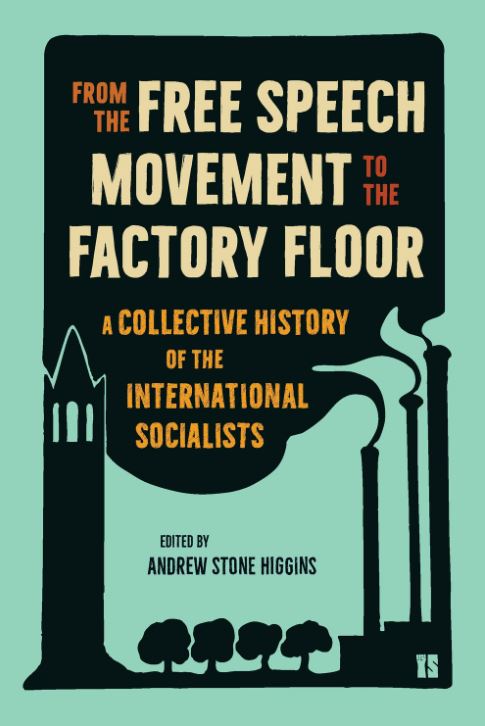
From Campuses to Factories: On the History of the Independent Socialist Club(s)/International Socialists
David Camfield reviews 'From the Free Speech Movement to the Factory Floor: A Collective History of the International Socialists (Chicago: Haymarket Books, 2026)', edited by Andrew Stone Higgins
A Beacon for the Socialist Revolution: The Political Writings of Rosa Luxemburg
Truly a labour of love, as well as sincere political and scholarly commitment, dedicated investigators of the history of revolutionary Social Democracy have been working for decades collecting, translating, and publishing the writings of one of the most prolific and insightful Marxist thinkers of the twentieth century, Rosa Luxemburg (1871-1919).
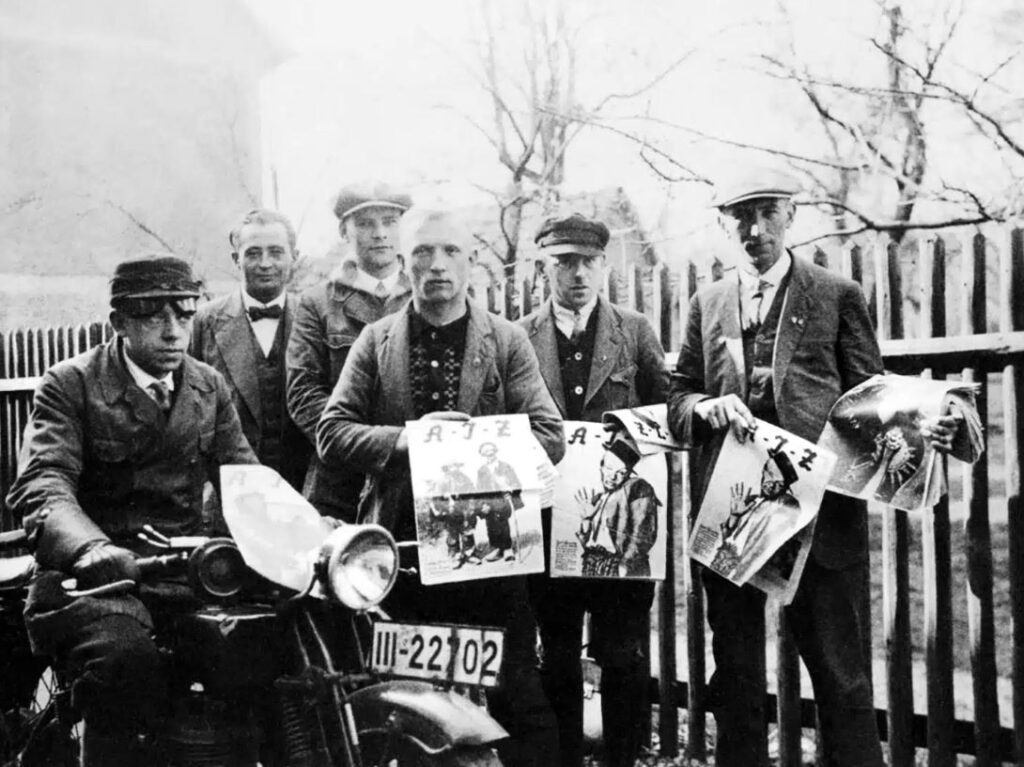
The Conquest of the Observing Machines
For anyone interested in the study of left-wing culture in the Weimar Republic – and indeed the communist workers’ movement of the interwar years more generally – 'La Révolution suspendue' by Christian Joschke offers a rich, thoroughly researched, and exceptionally well-written study.
Right-Hand Man or Biggest Mistake? Åsmund Egge’s Grigory Zinoviev
Egge’s monograph advances our understanding of a key figure of the Bolshevik revolution well beyond the caricatures that have too long dominated the historiography. It also makes clear that much work remains.
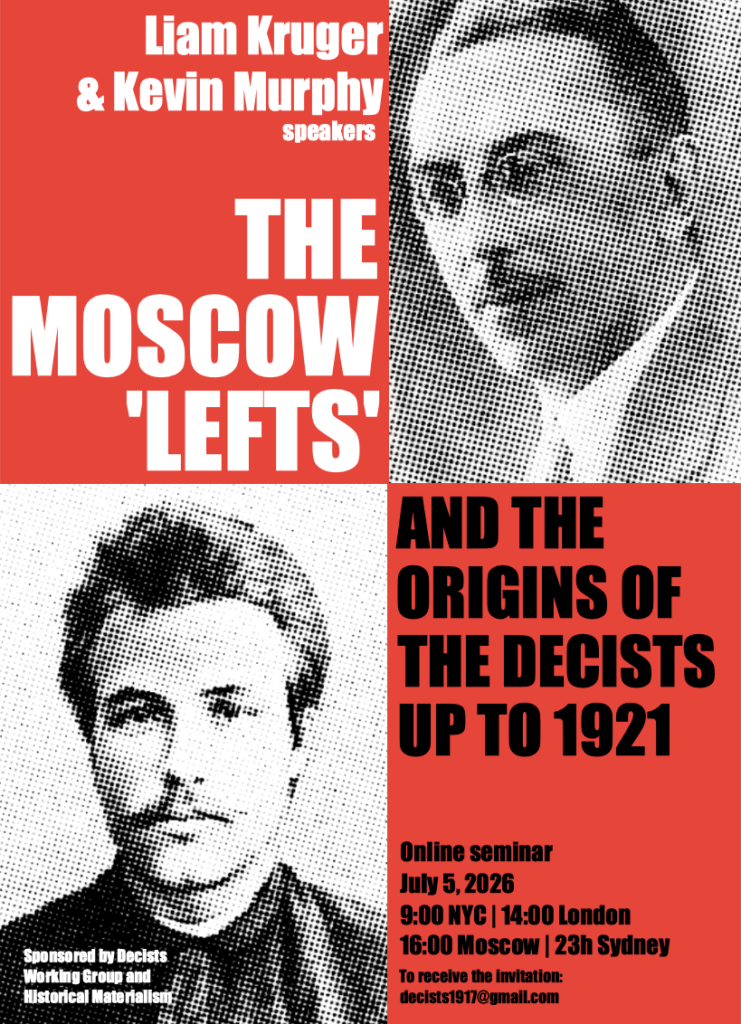
The Moscow Lefts: Precursors to the Decists
Kevin Murphy
The Origins of the Decists up to 1921
Liam Kruger
TROTSKYISTS, DECISTS AND THE SOVIET THERMIDOR
[vc_row][vc_column][vc_column_text css=""]Text in English, Portuguese
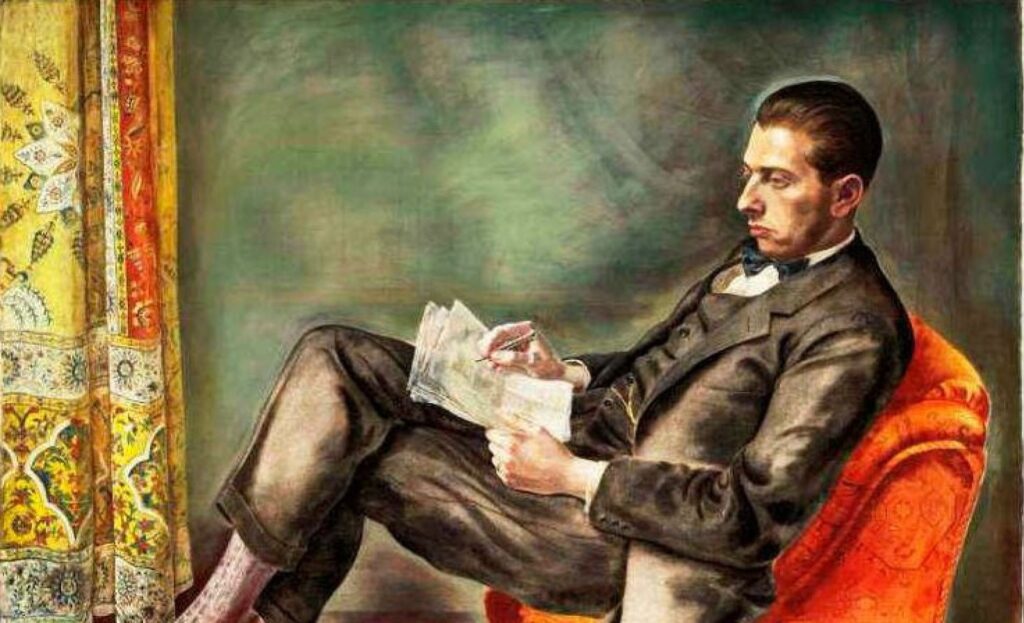
An Interview with Hans-Peter Gruber on the Life and Work of Felix Weil: Argentine, Millionaire, Marxist, and Founder of the Frankfurt School
Felix Weil’s most lasting contribution to the culture of the 20th century was certainly the Institute for Social Research. An institute for Marxist research and teaching was a new and innovative institution – and unique in this form. Felix Weil did not see Marxism as a political orientation, but as a discipline, comparable to any other subject taught at university.
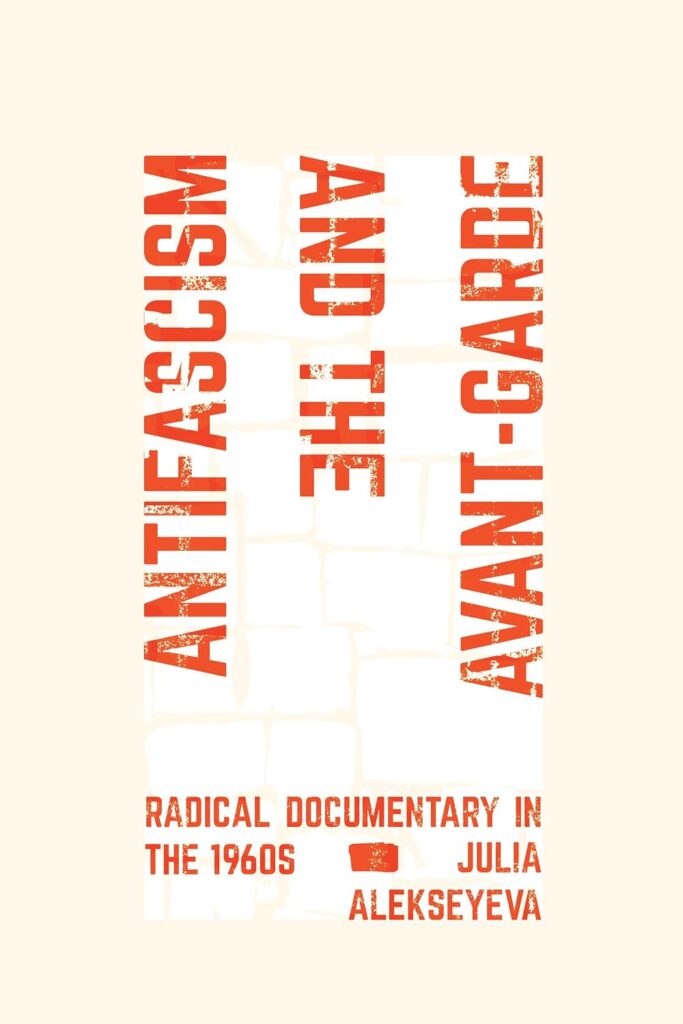
Re-enchanting the Moving Image: On Julia Alekseyeva’s Antifascism and the Avant-Garde
There was a time when the works of Agnes Varda, Chris Marker, and Matsumoto Toshio were lauded as innovative and revelatory well outside the ranks of film school aesthetes and underground video stores, when they reached into at least the fringes of mainstream discourse.