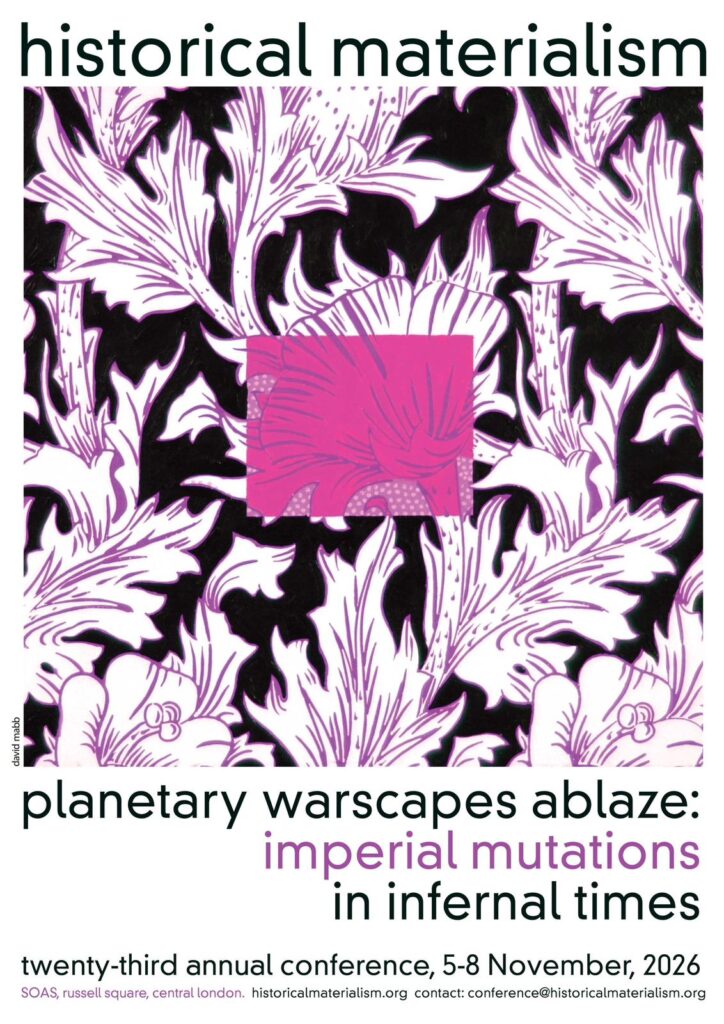
Registration is now open!
- Registration
- Plenaries
- General Conference CfP
- Workers and Capital Stream
- Marxism, Culture and the Arts Stream
- Gender, Sexuality and Feminist Struggles Stream
- New Technologies and Capital Accumulation Stream
- Imperialism and Anti-Imperialism Stream
- Climate Stream
- Marxism & Disability Stream
- Eastern Marxisms Stream
- PGR pre-day
- Submit Paper
- Submit Panel
- Venues
- Lodging
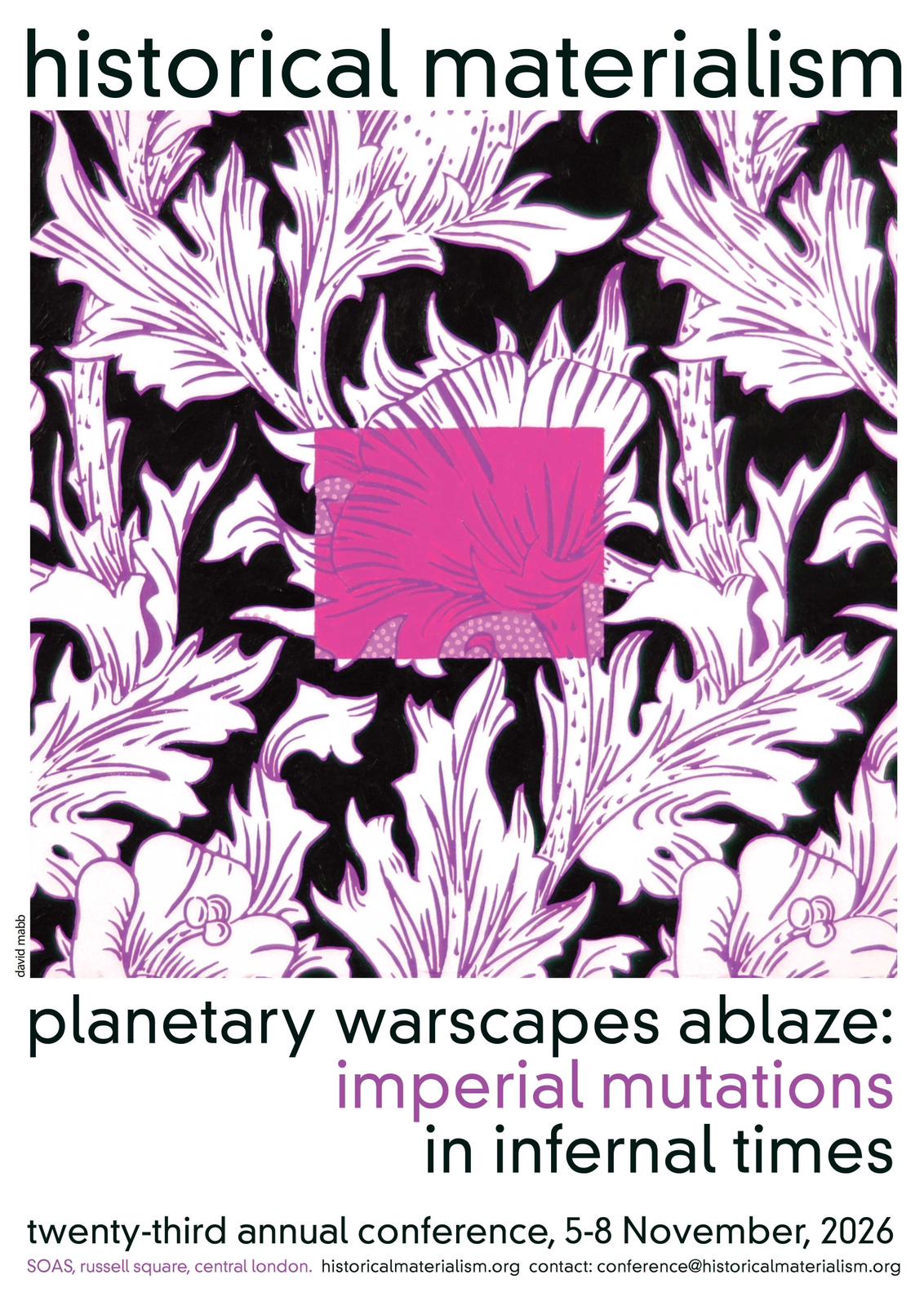
Twenty-Third Annual Conference Registration
Price range: £50.00 through £250.00
Join us for the Twenty-Third Annual Historical Materialism Conference, 5–8 November 2026, at SOAS, Russell Square, Central London. Registration details coming soon.
Additional information
| Conference Rates | Student/Unwaged, Waged, Waged with institutional support, Solidarity |
|---|
.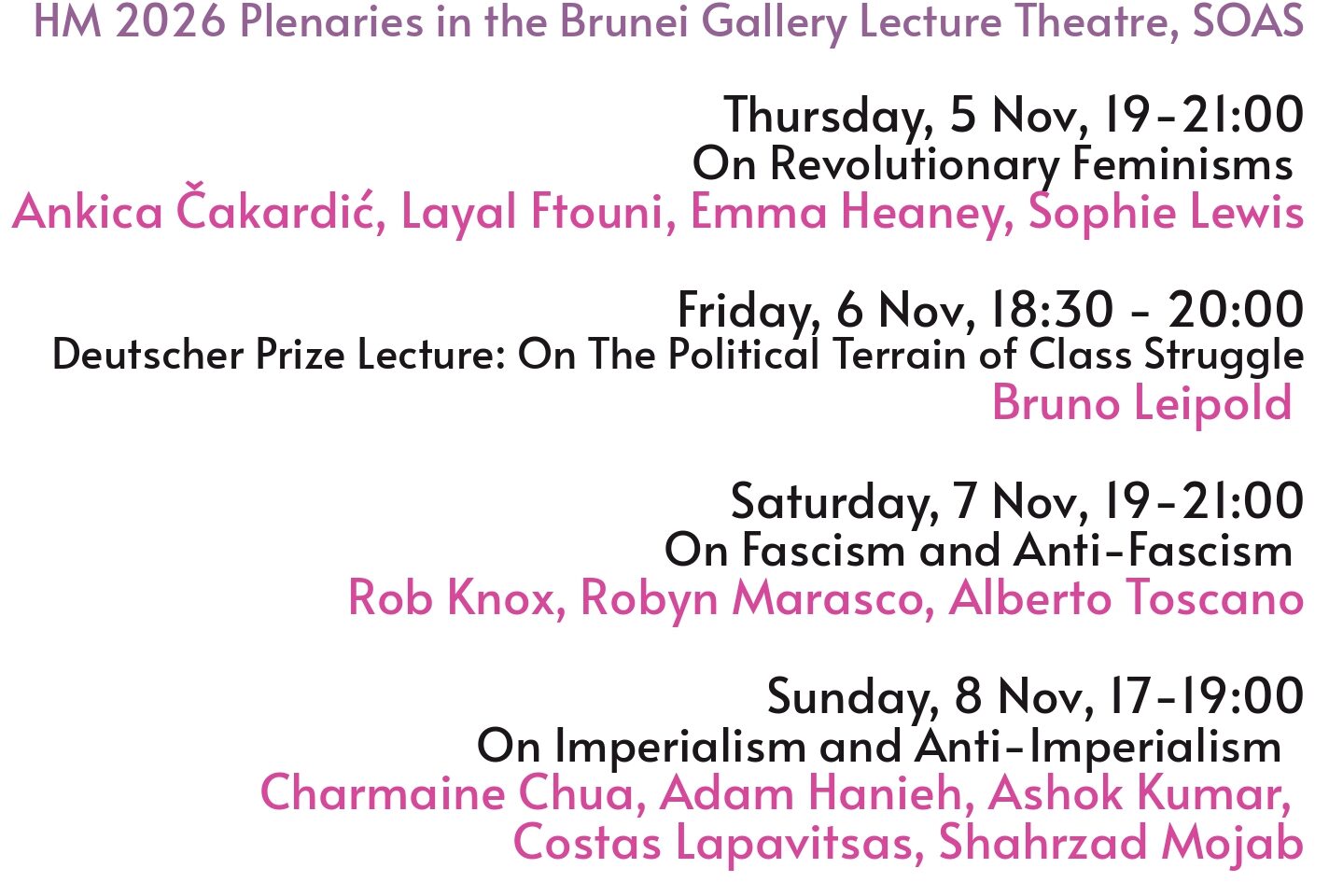
HM 2026 Plenaries in the Brunei Gallery Lecture Theatre, SOAS
Thursday, 5 Nov, 19–21:00
On Revolutionary Feminisms
Ankica Čakardić, Layal Ftouni, Emma Heaney, Sophie Lewis
Friday, 6 Nov, 18:30–20:00
Deutscher Prize Lecture: On The Political Terrain of Class Struggle
Bruno Leipold
Saturday, 7 Nov, 19–21:00
On Fascism and Anti-Fascism
Rob Knox, Robyn Marasco, Alberto Toscano
Sunday, 8 Nov, 17–19:00
On Imperialism and Anti-Imperialism
Charmaine Chua, Adam Hanieh, Ashok Kumar, Costas Lapavitsas, Shahrzad Mojab
Artwork: David Mabb
Since October 2023, genocide has unfolded in Gaza, executed by Israel but underwritten by the US, Britain, and the EU. This colonial violence has expanded across Palestine into Lebanon, Syria, Yemen, and Iran. The US and Israeli war against Iran is already engulfing the entire region in a wider war, disrupting energy and trade flows and putting significant pressure on the economies of the other major western capitalist states. In Ukraine, the war persists, fuelled by inter-imperialist competition between NATO and Russia. Trump’s threats to seize Greenland from Denmark, including tariffs and refusal to rule out military force, have fractured the Western bloc in ways unseen since 1945. Meanwhile, Washington escalates confrontation with China through trade wars, technology blockades, and military encirclement in the Pacific. In Latin America, the US intensifies sanctions and hybrid warfare against Venezuela and Cuba.
These are not signs of imperial confidence but markers of desperation. US hegemony fragments, as the MAGA vision of the ‘West’ does not include the same commitments to allies as the previous arrangements, while the US economy has failed for a long time to be the ‘growth engine’ of the global economy. China’s rise, despite the contradictions of this form of state-led capitalism, appears impossible to arrest. Regional powers manoeuvre between blocs, seeking room for autonomous accumulation. Dollar-denominated debt and investment structures face important challenges. The liberal order that claimed to transcend naked imperial rivalry has given way to increasingly brutal assertions of power.
The decline of US hegemony and the collapse of the ideological projection of a ‘unipolar world’ that was the cornerstone of post-1989 imperial euphoria have not produced a more peaceful multipolar order but have rather intensified competition between rival imperial centres.
This imperial competition unfolds on the background of faltering dynamics of capitalist accumulation. The 2007-2008 crisis was not followed by robust growth and the exit from the pandemic recession led to stagflation rather than an increase in productive investment. Financial speculation reaches ever more parasitic heights, while debt crises persist in the Global South. AI and platform capitalism reshape the labour process and generate new forms of surveillance and control, but not the envisaged leaps in productivity. Forms reminiscent of primitive accumulation return: land grabs for carbon-offset schemes, resource extraction in the lithium triangle, biopiracy dressed as green transition. Climate breakdown accelerates, as decarbonisation policies are abandoned, overshoot becomes the norm, and climate agreements and targets become a dead letter.
Imperial decline is combined with an authoritarian turn within capitalist states themselves. Far-right forces gain ground across Europe and the Americas. Attacks on migrants, reproductive rights, trans rights, and basic democratic freedoms intensify. Racism and white supremacy and islamophobia accompany the new idealisation of the ‘West’.
How should Marxists analyse this conjuncture? How can we combine the analysis of the contradictions of capitalist accumulation and the new dynamics of crisis with the new forms of imperial aggression and rivalry? What explains the brutality of Western imperialism as exemplified in the complicity to the genocide in Palestine or the war against Iran at this historical moment? Is US decline producing a genuine multipolar world or new hierarchies under different management? How do we understand China’s challenge to US hegemony without either adopting Washington’s Cold War framing or romanticising emerging power configurations?
How do these experiences inform debates about socialist strategy? How is the return of inter-imperialist competition reshaping global labour regimes and processes of accumulation? How do struggles against genocide, ecological catastrophe, and authoritarian reaction connect to the fundamental antagonism between capital and labour? What strategic orientations can overcome the fragmentation of left forces, caught between reformist accommodation and sectarian isolation? These questions demand rigorous historical-materialist analyses.
In line with the central theme of this year’s conference, we invite contributions that address the following non-exclusive questions:
- Marxist theories of imperialism and war
- Contemporary dynamics and contradictions of capitalist accumulation
- Imperialism and climate catastrophe
- Resistance to imperialism and socialist strategy
- Palestine and the genocidal violence of the Zionist state
- Race, racialisation and capitalism
- Imperialism, feminism and the (re)configuration of global gender politics
- Contemporary authoritarianism, the transformation of capitalist states, and the attacks on democratic freedoms
- The renewed wave of right-wing attacks on reproductive freedom, sexual orientation and trans people
However, as it does every year, the conference aims to serve as a space of broad comradely discussion of all issues related to critical Marxist theory and research across the globe and across all disciplines and interests, including philosophy, political economy, sociology, literary and cultural studies, history, political theory and so on. That means, general submissions are also encouraged.
In addition to the general conference CFP, the following streams will each be issuing individual CFPs:
- Gender, Sexuality & Feminist Struggles
- Marxism & Disability
- Marxism, Culture and the Arts
- New Technologies
- Workers & Capital
- Climate
- Imperialism & Anti-Imperialism
- Eastern Marxisms
Proposals for individual papers should include a title, an abstract of no more than 400 words, up to five keywords, and the author’s name, email address and institutional or organisational affiliation (where applicable). Where there is more than one participant, we require a clear indication of a corresponding author. Panel proposals (3–4 papers, roundtables or book discussions) should include a panel title, a 400‑word panel abstract, titles and abstracts for each contribution (if it’s a preconstituted panel), and contact details for all participants. Partial submissions may be rejected.
You can submit your paper/panel either to ‘general conference’ or to a specific stream via a drop down menu in the submission form. If you’re not sure which is the best choice for your paper/panel, please still select one. If we think your submission fits better into a different stream, we will let you know after the selection process is completed.
The HM Conference expects all participants to take part in the entirety of the conference (not just their own sessions) and to be thus ready to speak at any session in the programme, from Thursday morning through to Sunday afternoon. It is not possible to run a conference of this size by tailoring individuals’ specific requests for particular slots etc.
For any inquiries contact conference@historicalmaterialism.org
Workers and Capital Stream
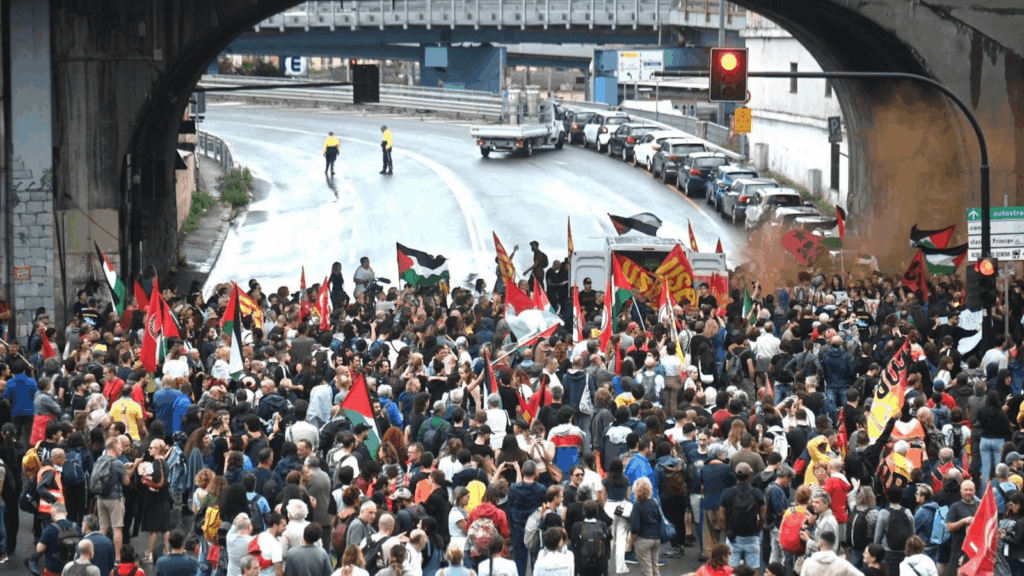
At this year’s Historical Materialism London conference, we will be launching the first issue of the new Historical Materialism: Workers & Capital journal. The journal’s starting point is a shared understanding that Marxism can provide important conceptual tools for understanding – and intervening in – the relation between workers and capital. The open-access journal aims to cultivate rigorous, critical, and strategic inquiry into labour and work, broadly defined, without allegiance to any one Marxist tradition or variant. Marx demanded the ‘merciless criticism of everything that exists’. For us, that must also include Marxism itself. In this light, the journal does not begin from fixed theoretical positions, but insists that work and workers must be the point of departure.
The first call for papers for the journal solicited reflections on what we’ve learned – and failed to learn – over the years and decades in our research into work, class composition, and struggle: What concepts and theories have been useful? What frameworks or assumptions need rethinking? What new developments – economic, technological, ecological, political – challenge our conceptions? What questions should animate future inquiries?
The stream is jointly hosted between Notes from Below and the new Historical Materialism: Workers & Capital journal. It is a development of the longer-running “Workers Inquiry” stream from the HM London Conference. The past year has thrown up many further questions about the relation between workers and capital. Understanding these questions is crucial for making sense of the current conjuncture. To address these, we encourage submissions to the conference stream. The call for presentations is open and broad on the topics of workers and capital, including:
- Workers’ inquiries and analysis of class composition
- Papers authored or co-authored by workers about their experiences
- Case studies of strikes and workers’ struggles
- Strategic dilemmas in contemporary labour organising
- Forms of peripheral and precarious labour
- Alternative forms of organising and sites of struggle
- Gender, race and disability politics and work
- History of work and the workers’ movement
- The role of technology in different forms of work and production
- Critiques of management practices and responses from workers
- Workers’ responses to the climate crisis, authoritarian neoliberalism, precarious living and technological displacement
- Analyses of labour and worker struggles in industries directly or indirectly connected to war and militarism
The stream is open to contributions from participants with any or no experience of presenting at academic conferences. We are always keen to support participation, including developing initial ideas, helping draft abstracts for papers, the preparation of presentations, or anything else that can support new speakers at the conference. While many sessions at the conference take the form of a panel of speakers each talking for 15 minutes or so, we have used different formats like roundtables, shorter talks, Q&A, and so on in the past and are open to alternative suggestions. As in previous years, we hope to have a stream that brings together workers, organisers, and Marxist researchers. We will, of course, be organising a social event as part of the stream.
Please submit proposals (a short explanation of what you will talk about) via the conference website by the deadline indicated in the general call, selecting ‘Workers and Capital’ in the submission form.
Marxism, Culture and the Arts Stream
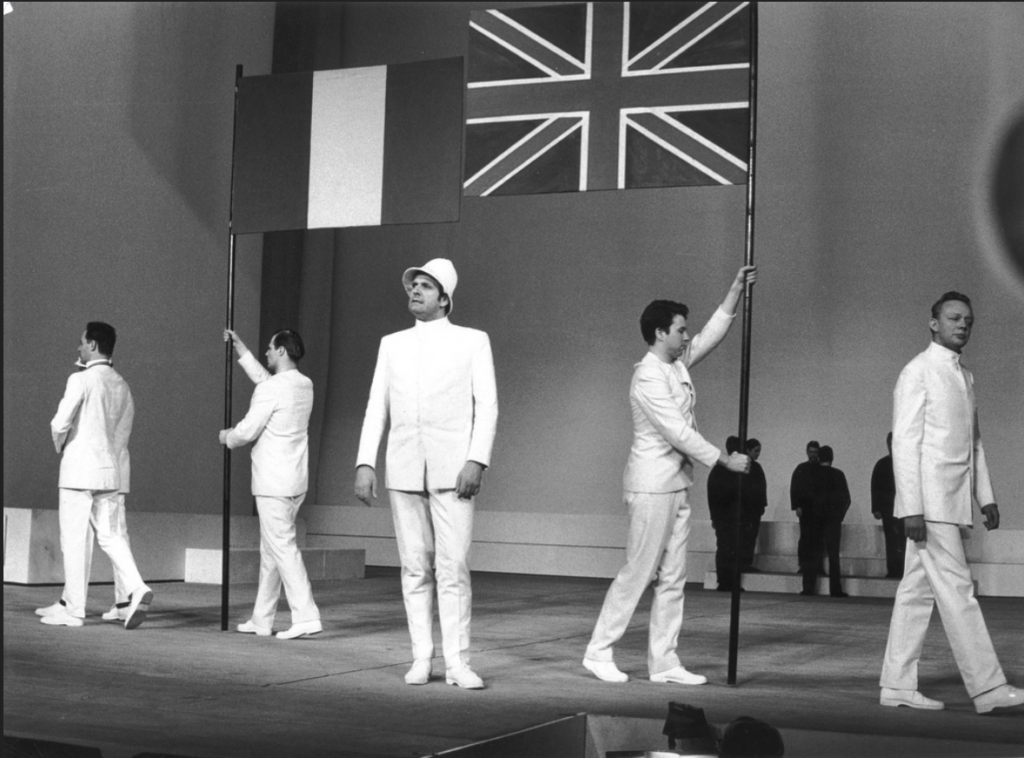
LOUDSPEAKER.
An economic boom
in a former dependent territory
would provide a significant example
to neighbouring states
It would be particularly dangerous
if a small country were permitted
to escape from Western domination
unscathed
What is this war about
CHORUS.
What is it about
It is to show
that revolutionary movements
must fail
– Excerpt from Peter Weiss, Discourse on Vietnam
The cries of the existing imperial order ring out in a harrowed set of tones, colours, speech, narrative and movements. Whether in jingoistic language, violent images or militaristic sounds, such cries find their dogmatic expression in forms that flash up, circulate and die out at a breakneck pace. International campaigns of war and genocide have always been aided by cultural and artistic practitioners, the willing, whimpering lapdogs of a capitalist imperial order whose grip might be beginning to loosen. But they have also been confronted by a countermovement.
With the recent translation of the third instalment of Weiss’s The Aesthetics of Resistance not long out, for this year’s Marxism, Culture and the Arts stream we wish to collectively consider concepts of cultural and artistic resistance, obstinacy, struggle, subversion and inertia, with particular attention paid to the manner in which these have opened up local, national and international networks of proletarian, antifascist and anti-imperialist practitioners. With such a theme and framed through heterodox Marxist perspectives, we aim to foreground these and related concerns, probing at questions such as: How have notions of resistance shaped the history of cultural and artistic form? How have colonised peoples subverted the attempt at installing cultural hegemony? In what ways has proletarian cultural education suffered and confronted recent offences? How might we reframe histories of art and culture through the struggles against imperial domination? And so on. Towards these ends, we are soliciting proposals for papers and panels that may include, but need not be limited to, any of the following topics:
– concepts of resistance, obstinacy, struggle, subversion or inertia as they play out in histories of art and culture;
– networks of anti-imperialist resistance movements and the aesthetic forms they take;
– art history and film studies relation to jingoism and the attempts to break with these frameworks;
– methodologies for cultural anti-imperialism;
– histories and contemporary practices of proletarian cultural education and production;
– the role of language in subversive literary forms;
– and Marxism, art and strategies for the abolition of capital.
General submissions on Marxism – in all its various interpretations – and art, culture, and literature – in all its various forms – are also encouraged. Submissions may be developed based on theoretical argument or textual readings, historical case studies or empirical analysis, or critical interpretation of specific artworks, novels, poems, films, plays, compositions, etc. Provided it is Marxist in orientation, we encourage cross-disciplinary analysis that emerges from academic research and activist practices.
Proposals for individual papers should include a title, an abstract of no more than 400 words, up to five keywords, and the author’s name, email address and institutional or organisational affiliation (where applicable). Panel proposals (3–4 papers, roundtables or book discussions) should include a panel title, a 400‑word panel abstract, titles and abstracts for each contribution (if it’s a preconstituted panel), and contact details for all participants.
Please submit proposals via the conference website by the deadline indicated in the general call, selecting ‘Marxism, Culture and the Arts’ in the submission form.
Gender, Sexuality, and Feminist Struggles Stream
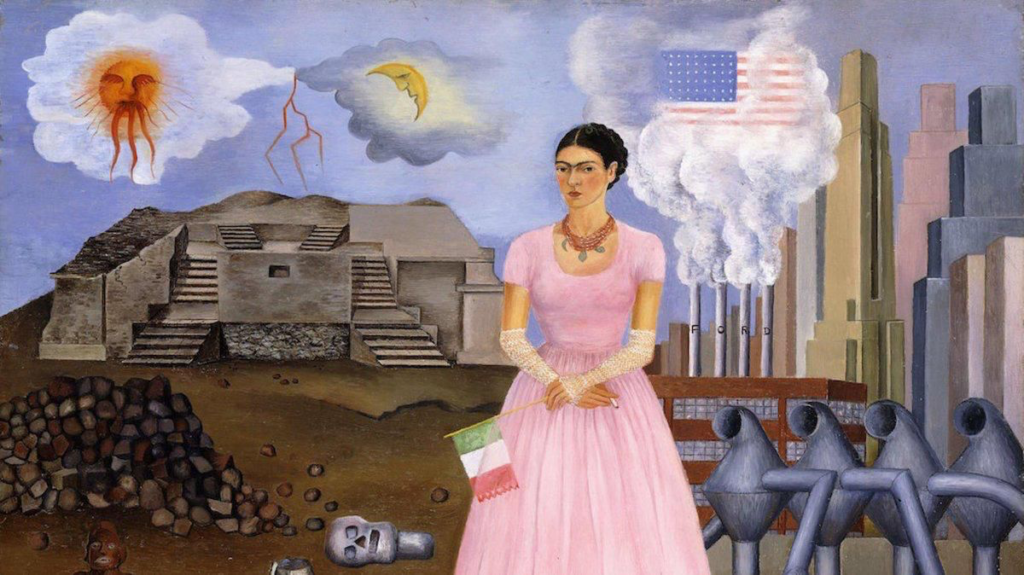
The Gender, Sexuality, and Feminist Struggles Stream (GSF) invites submissions for panels and individual papers for the upcoming Historical Materialism annual conference.
This stream brings together Marxist-feminist, queer, and trans approaches to the critique of political economy. We welcome theoretical, historical, and empirical contributions that interrogate how gender and sexuality are constituted and contested within capitalist social relations. The stream is especially interested in work that advances debates around reproductive crisis, the politics of the family, carcerality, and uneven reconfigurations of gendered and sexual domination in the current conjuncture. Contributions engaging abolitionist, anti-fascist, anti-imperialist, and internationalist perspectives are particularly encouraged.
Indicative topics include (but are not limited to):
- Labour, exploitation, and surplus value: How does ‘non-normative’ labour — precarious work, survival economies, sex work, and migrant work, as well as queer and trans experiences of work — challenge or enrich existing Marxist feminist value-theoretical frameworks around exploitation and the labour/value relation? How does the category of exploitation need to be rethought when labour is gendered, racialised, and queered? What is the relationship between surplus-value extraction and the forms of dispossession and devaluation that structure trans and queer working lives?
- Social reproduction: How can Social Reproduction Theory be extended, revised, or subjected to critique in light of ongoing debates around value, abstraction, and the limits of the labour framework? In what ways, if at all, do gender and sexuality exceed capitalist reproduction?
- The family and kinship: How should we understand the historical transformations and contemporary reconfigurations of the family under capitalism, including its role in current reactionary projects? What would it mean to abolish the family?
- Technology and science: How are AI, automation, and reproductive technologies transforming the organisation of reproductive and affective labour? What new forms of accumulation and control are emerging through the technoscientific governance of life?
- Fascism, reaction, and anti-gender politics: How are gender and sexuality mobilised within contemporary far-right, authoritarian, and anti-gender movements across different contexts? What forms of feminist, queer, and trans resistance are emerging in response to these developments?
- Abolition, violence, and carcerality: How do policing, borders, and carceral institutions structure gendered and racialised forms of violence? What resources does abolitionist feminism offer for rethinking collective life?
- Feminist, queer, and trans Marxism: How do socialist feminism, Marxist feminism, queer Marxism, and trans Marxism emerge, interact, and diverge? What are their contested inheritances and unfinished debates? Which figures and movements have been excluded from the canon?
- Anti-imperial and anti-colonial perspectives: How do imperialism and uneven development shape gendered and sexual forms of domination and resistance across regions? What insights do anti-colonial and indigenous perspectives bring to Marxist feminism?
- Culture, ideology, and subjectivity: How are gender and sexual norms produced and contested through culture and aesthetic practices? What roles do desire, affect, and subject formation play in sustaining or destabilising capitalist social relations?
- Simone de Beauvoir at 40: How does de Beauvoir’s thought (e.g., her existentialist ontology, ambivalent engagement with class, and later feminist critiques of androcentrism) relate to Marxist feminism? How has her analysis of ‘women’s’ situation as historically and materially produced and her attention to embodiment influenced subsequent feminist and queer thought?
- Struggle and organisation: What forms of struggle are emerging around social reproduction (care, health, housing, subsistence)? How are they reshaping feminist and queer organising?
Proposals for individual papers should include a title, an abstract of no more than 400 words, up to five keywords, and the author’s name, email address and institutional or organisational affiliation (where applicable). Panel proposals (3–4 papers, roundtables or book discussions) should include a panel title, a 400‑word panel abstract, titles and abstracts for each contribution (if it’s a preconstituted panel), and contact details for all participants.
Please submit proposals via the conference website by the deadline indicated in the general call, selecting ‘Gender, Sexuality and Feminist Struggles’ in the submission form.
New Technologies and Capital Accumulation

As we move ever closer to the most probable bursting of the current AI bubble, it is crucial not to conflate the limits of speculative hype with the irrelevance of the technologies themselves. The history of capitalism reminds us that the collapse of speculative cycles (take for instance railways, dot-coms, even housing) does not negate the material transformations they set in motion. The dot-com bubble burst did not prevent the internet from becoming foundational to contemporary capitalism. At the same time, we are witnessing, with increasing frequency, claims from AI executives and technology firms that are as grandiloquent as absurd, possibly symptoms of a more urgent concern with profitability, market dominance, and capital valorisation. These narratives obscure the contradictions at the heart of technological development under capitalism, presenting AI as both inevitable and universally beneficial, while barely masking the relations of exploitation, dispossession, and control that sustain it.
Artificial intelligence is cast by its human and artificial sirens as the technology destined to permeate all domains of social life, from warfare and security to intimate human relations, and everything in between. The more it is imagined as the “new electricity”, a general-purpose infrastructure underpinning the organisation of production, communication, and governance, the more urgent the call to discuss these claims critically and cut through the accumulated layers of bullshit becomes. Far from neutral tools of efficiency, automation, or optimisation, these technologies also deepen the fetishism already embedded in capitalist social relations. Platform systems and algorithmic management mystify the origins of knowledge, decision-making, and value, displacing them onto opaque computational processes while concealing the extensive networks of exploited labour, extractive infrastructures, and structured inequalities that sustain them.
This stream calls for papers that attempt to demystify these dynamics, situate new technologies (Artificial Intelligence, Digital Platforms, Blockchain) back in capital’s enduring logics of accumulation, enclosure, and surveillance and thereby contribute to the development of a historical materialist perspective. How do new technologies deepen exploitation, reorganise production, and transform the conditions of labour? What counter-hegemonic movements and political strategies can contest the power of digital capital? What new constraints do these technologies bring as a “hostile power” to working class emancipation?
We welcome theoretical and empirical contributions engaging with themes such as:
- Technological automation and the restructuring of work: the changing composition of the working class, new forms of labour discipline, deskilling, and precarity.
- Laws of Motion of Capital and the role of technology: accumulation dynamics, crisis tendencies, and the technological mediation of value production and subsumption.
- The international division of labour in the digital economy: digital imperialism, value extraction in the Global South, and technological dependence.
- Technology and resistance: workers’ struggles against digital labour regimes, alternative technological imaginaries, and the renewed socialist planning/calculation debate.
- Platformisation: as a new space of accumulation, algorithmic control, and the commodification of social life.
- Large Language Models (LLMs) and genAI: The role of LLMs and the novelties of generative AI in the real subsumption of intellectual labour and the automation of content creation.
- Blockchain, decentralisation, and financialisation: myths of ‘trustless’ governance versus the real subsumption of economic transactions under capital, material infrastructures.
- Political economy of artificial intelligence: AI embeddedness in capital accumulation, productivity enhancer and intensified labour exploitation.
- Data and Value Extraction: The commodification of data, the explosion of synthetic data and the role of datafication in extending capitalist accumulation in the long history of capital’s quantification and objectification.
Proposals for individual papers should include a title, an abstract of no more than 400 words, up to five keywords, and the author’s name, email address and institutional or organisational affiliation (where applicable). Panel proposals (3–4 papers, roundtables or book discussions) should include a panel title, a 400‑word panel abstract, titles and abstracts for each contribution (if it’s a preconstituted panel), and contact details for all participants.
Please submit proposals via the conference website by the deadline indicated in the general call, selecting ‘New Technologies’ in the submission form.
Imperialism & Anti-Imperialism Stream
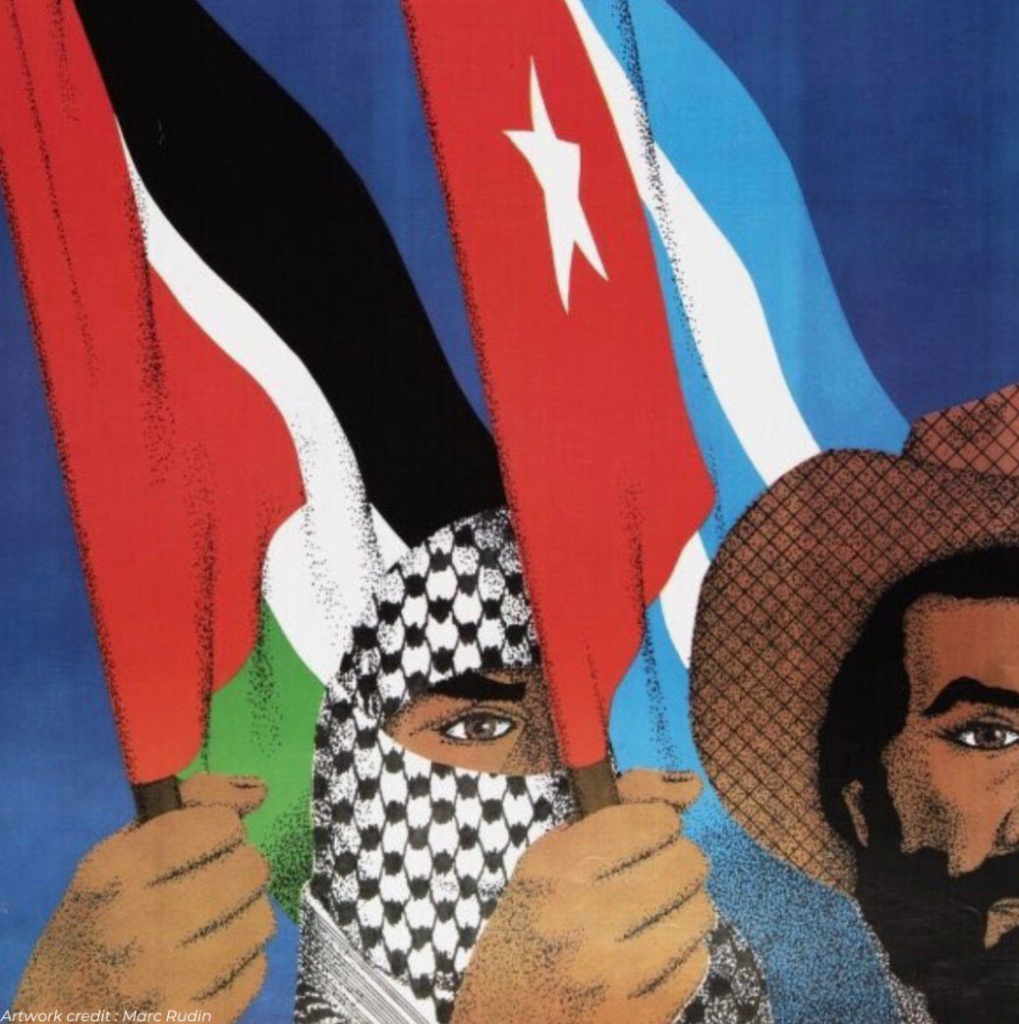
War without end, genocidal sieges and the visible fraying of the Western imperial order have forced imperialism back to the centre of Marxist discussion. This stream invites contributions that take imperialism seriously as a stake of theory, struggle and organisation today, and that are willing to engage directly with the controversies this raises.
We are interested in work that approaches imperialism as a constitutive feature of the capitalist world system, rather than a contingent “foreign-policy” question. Contributors are encouraged to revisit and contest classical accounts (Lenin, Luxemburg and others), to explore how far they travel to the present, and to test them against contemporary developments in finance, monopoly, militarism, sanctions and racialised state violence.
A key focus of the stream is resistance. We welcome historically grounded and theoretically sharp analyses of movements and formations that confront US-led and allied imperial projects: Yemen, Iraq, and Lebanon; the broader “axis of resistance” in West Asia; the ongoing Palestinian resistance in Gaza and across historic Palestine; struggles of Iran; and other anti-imperialist insurgencies and popular movements globally. We are especially interested in contributions that probe the class basis, organisational forms, ideological constructions and internationalist horizons of these struggles.
The rise of China poses a different set of questions that remain sharply contested in Marxist debates. Is China an imperialist power in a Leninist sense, a dependent or subordinate capitalist formation, a non-imperialist but non-socialist state, or something that unsettles existing categories altogether? We particularly invite contributions that engage empirically with questions of state ownership and planning, outward investment, debt relations, military projection and value transfers, and that take clear, argued positions on whether and how “imperialism” or “anti-imperialism” should be applied in this case.
The stream also seeks to open up debate on forms of solidarity and organisation in an imperialist world system marked by genocide in Gaza, sanctions regimes, proxy wars and open great-power confrontation. We invite reflections on how to defend the right of peoples to resist occupation and siege without collapsing into liberal humanitarianism or uncritical campism; on the practical and strategic challenges of building solidarities with movements and states whose social projects may be conservative or authoritarian; and on how anti-imperialist commitments shape questions of organisation, programme and alliance for communists, socialists and other revolutionary currents today.
Possible topics include, but are not limited to:
- Classical and contemporary theories of imperialism, revisited in light of current wars and crises.
- Genocide and the war on Gaza, including logistics, sanctions and lawfare.
- The “axis of resistance” and anti-imperialist struggle rooted in religious, nationalist or hybrid ideological projects.
- Iran, sanctions and uneven development: anti-imperialist positioning, internal and class contradictions.
- The future of the Zionist state as a lynchpin of the US-led imperial order, and debates on its possible reconfiguration or defeat.
- Is China imperialist? Divergent Marxist and Marxist-Leninist analyses of China’s mode of production, global expansion and position in the world hierarchy.
- US sanctions, coups and hybrid warfare in Latin America, with particular attention to Cuba and Venezuela as laboratories of imperial management and popular resistance.
- Imperialism, value transfer and dependency: empirical work on trade, finance and the core–periphery divide.
- Sub-imperialism and regional power: debates on states that exercise regional dominance while remaining subordinated within the wider imperial hierarchy.
- The crisis and reorganisation of US and NATO-centred imperialism.
- Multipolarity, non-alignment and the contemporary uses and abuses of “campism”.
- Anti-imperialist solidarities and the rebuilding of internationalist organisation in the imperial core and beyond.
- Media, ideology and the manufacture of consent for permanent war.
We welcome contributions from within and beyond the academy, including interventions by activists, organisers and participants in the struggles under discussion, as well as co-authored work. The stream aims to provide a space for rigorous, comradely and openly contested debate, rather than a single agreed line.
Proposals for individual papers should include a title, an abstract of no more than 400 words, up to five keywords, and the author’s name, email address and institutional or organisational affiliation (where applicable). Panel proposals (3–4 papers, roundtables or book discussions) should include a panel title, a 400‑word panel abstract, titles and abstracts for each contribution (if it’s a preconstituted panel), and contact details for all participants.
Please submit proposals via the conference website by the deadline indicated in the general call, selecting “Imperialism & Anti-Imperialism Stream” in the submission form.
Climate Stream
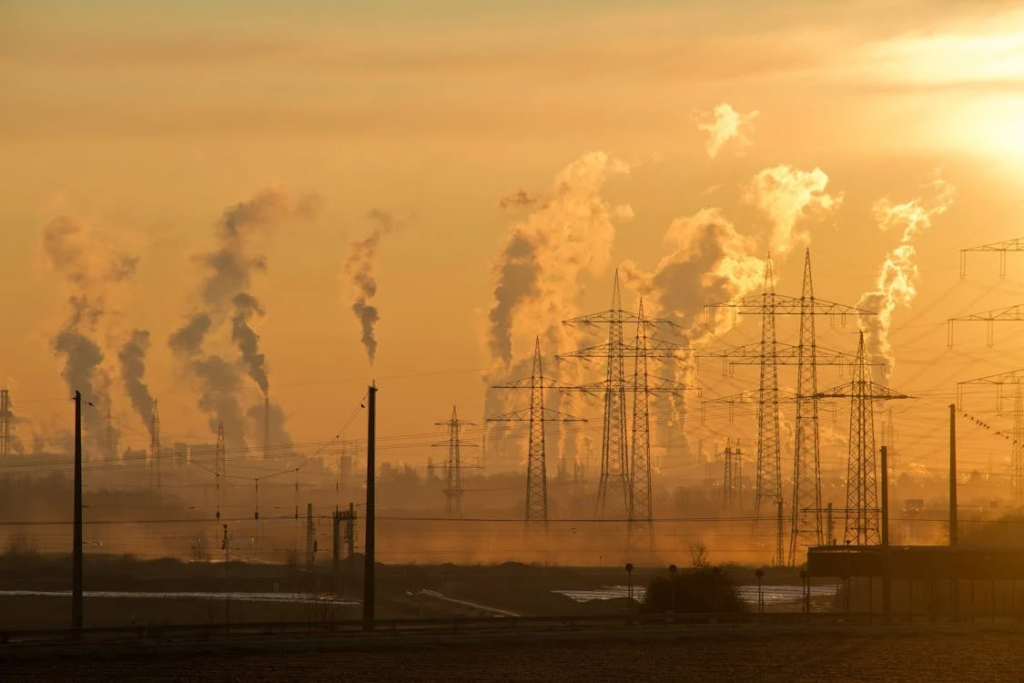
Fossil capitalism’s structural imperative to maintain business as usual is bringing us ever closer to the destruction of the biosphere on which life depends. Greenhouse gas emissions are at an all-time high; the rate of warming is accelerating; mass species extinction is in full swing, and extreme weather events are already leading to countless tragedies. Instead of moving away from fossil fuels, the dominant responses to the climate emergency are rapidly leading towards programmatic overshoot: the idea that drastic climate action is a problem for the future, not the political present. Overshoot has ideologically displaced the goal of global decarbonisation with delusional techno-optimism and false solutions, such as large-scale carbon dioxide sequestration. What is more, the proliferation of the far right backlash against climate policy has become mainstream. Continued dependence on oil and gas has brought us closer than ever to irreversible tipping points and imperial wars of ecocidal and genocidal magnitude.
Faced with the catastrophe, how can Marxism inform emancipatory theory and practice?
This stream particularly encourages contributions working on the connection between imperialism, fossil capital, and the politics of reaction. The US-Israeli war on Iran and energy shocks (particularly their effect on the most climate vulnerable states) is now the central story of the climate struggle. How might we respond to and interpret this situation? Will it (necessarily) lead to faster decarbonisation? Or does it entrench fossil capital, and what are the profit implications?
We also invite those exploring Marxist approaches and debates on climate and ecology to submit proposals on the following non-exhaustive topics:
- Materialist accounts of climate struggles and ecological internationalism
- Ecosocialist tactics and strategy
- Utopian thought and post-capitalism
- The relationship between imperialism, fossil capitalism, and contemporary politics
- Analyses of China as a purported electrostate
- Global capitalist value chains (including in electrotech) in the context of the decline of US empire
- Marxist feminist accounts of social reproduction in the context of natures’ ‘free gifts’
- Land and energy socialisation in theory and practice
- Emancipation and the status of non-human nature
- Marx’s writing on ecology and its use for critical theories of nature
- Debates around communist technosolutionism
- Planning and degrowth debates
Proposals for individual papers should include a title, an abstract of no more than 400 words, up to five keywords, and the author’s name, email address and institutional or organisational affiliation (where applicable). Panel proposals (3–4 papers, roundtables or book discussions) should include a panel title, a 400‑word panel abstract, titles and abstracts for each contribution (if it’s a preconstituted panel), and contact details for all participants.
Please submit proposals via the conference website by the deadline indicated in the general call, selecting ‘Climate’ in the submission form.
Marxism & Disability Stream
The Marxism & Disability Network (MDN) looks forward to hosting the first designated stream related to Marxism & Disability at the 2026 Historical Materialism London conference (5-8 November).
Since 2023, the MDN has engaged in the study, and dissemination, of research which deepens Marxist analyses of disablement as a capitalist social relation. We aim to broaden and expand Marxist engagements in-and-with disability-liberation projects, and to ensure the insights of both inform wider struggles against oppression. The MDN encourages an inclusive, creative, and critical approach to the exploitation, alienation, and oppression of disabled people under contemporary capitalism – seeking to place disability politics at the centre of working-class and anti-capitalist struggles.
The MDN and HM invite contributions that explore the constituent relations between Marxist theory and disability, crip, mad, and neurodivergent politics, whether these be philosophical, theoretical, strategic, or empirical in their focus.
We welcome papers on the following, or related, topics:
- The inequalities, alienation, and oppression of disabled people under contemporary capitalism
- Disabled people’s political struggles and organising strategies under contemporary capitalism
- The historical place of disability politics within working-class and anti-capitalist struggles
- The historic relationship of disability studies and politics with Marxism
- Marxism and identity-focused disability politics
- Bourgeois ‘models’ of disability and Marxist theory
- Anti-imperialist and state-theory informed understandings of disablement and the policing of the disability category
Proposals for individual papers should include a title, an abstract of no more than 400 words, up to five keywords, and the author’s name, email address and institutional or organisational affiliation (where applicable). Panel proposals (3–4 papers, roundtables or book discussions) should include a panel title, a 400‑word panel abstract, titles and abstracts for each contribution (if it’s a preconstituted panel), and contact details for all participants.
Please submit proposals via the conference website by the deadline indicated in the general call, selecting ‘Marxism & Disability’ in the submission form.
For inquiries contact: marxismdisability@gmail.com
Eastern Marxisms Stream
The distinctive traditions of postwar critical and radical thought in East and Central Europe have largely receded from view, whether through neglect or suppression. Many are sceptical of the claim that, in its more fertile expressions, these traditions emerged in a particular constellation of Marxist thought. One reason lies in the persistent conflation of the so-called ‘Eastern Marxism(s)’ with the rigid, state-sanctioned ‘orthodox’ doctrines. Yet the present conjuncture, marked by multiple and intersecting crises of capitalism, invites a reconsideration of this inheritance. If ‘Western Marxism’ has been retrospectively consolidated into a canon associated with figures such as Lukács, Korsch and Gramsci, the Marxist traditions of East and Central Europe resist comparable stabilisation, not least with regard to their temporal scope, intellectual composition and vernacular articulation.
A still influential, Western-centred perspective continues to equate the diverse currents of Marxist thought in East and Central Europe with Marxist–Leninist state doctrines. Within this optic, an ostensibly ‘Eastern’ phase of Marxism is said to commence with the consolidation of Stalin’s rule, to wane with the waves of critique that followed in the 1950s and 1960s, and to meet its terminus in the collapse of the regimes that sustained it between 1989 and 1991. Even where individual radical theorists from the region are recognised in the West, they are often cast as exceptions rather than expressions of a wider intellectual milieu, their significance attributed less to their embeddedness in local contexts than to their presumed openness to, or mediation by, ‘Western’ Marxist theoretical currents, as in the cases of Kosík, Ilyenkov, or the Praxis circle.
We think that the East–West distinction is perhaps better understood not as a geographically fixed divide but as a historically shifting configuration. Consequently, ‘Eastern Marxism’ emerges as a series of overlapping formations of Marxist thought in East and Central Europe, extending from the late nineteenth century through the early twentieth century and into the post-war period, each articulated in relation to shifting imperial, revolutionary and state-socialist conjunctures. These formations were constitutively international, shaped by the circulation of theory, organisation and political experience across the region and beyond, and embedded in wider fields of Marxist debates. What later came to be codified as Marxism–Leninism developed within the epistemological and ontological parameters of earlier orthodoxies, even as it reoriented them politically. At the same time, the so-called revisionist and heterodox tendencies of the interwar years may be more plausibly understood as responses to the theoretical limits of orthodoxy and to the volatile, often revolutionary conditions of the region, rather than as precursors of a distinct ‘Western’ canon. An East–West distinction may still serve an analytical purpose, but only if it registers these shifting constellations and treats Marxism as a plurality of historically situated modes of thought, internally differentiated and shaped by the changing social and political conditions in which they were produced.
The purpose of this stream at the London Historical Materialism Conference is to encourage contributions that excavate these earlier layers, neglected debates and marginalised figures, reconstruct their archival traces and attend to their transnational entanglements. Contributions that unsettle the familiar narrative reducing ‘Eastern Marxism(s)’ to the rise and fall of Marxism–Leninism and call into question any clear-cut demarcation between ‘Eastern’ and ‘Western’ Marxisms in the pre-war and post-war periods are of particular interest.
We particularly welcome conceptually oriented contributions that engage with the critical and radical traditions of East and Central Europe across the twentieth and twenty-first centuries. Possible themes include, but are not limited to, the following:
- the problem of definition, including the difficulties involved in delimiting ‘Eastern Marxism’ and the scope for developing historically sensitive and analytically robust working concepts
- the role of the designation ‘Eastern’ as a category of analysis, and the extent to which it clarifies or obscures the diversity of Marxist thought in the region
- the identification and interpretation of distinct yet interconnected currents within these traditions, including their internal tensions and lines of development
- questions of periodisation, including the temporal boundaries of ‘Eastern Marxism’, as well as patterns of continuity, rupture and transformation across the twentieth century
- the contemporary significance of these traditions in light of present social, political and ecological crises
- the relations between East and West, including exchanges, asymmetries, parallel developments and forms of mutual influence between different Marxist formations
- the positioning of Eastern Marxist thought in relation to the Global South, including questions of imperialism, colonialism, internationalism and engagements with anticolonial and decolonial praxis
- regional differentiation within East and Central Europe, including local traditions, intellectual milieux and sites of divergence or conflict within broader Marxist debates
Proposals for individual papers should include a title, an abstract of no more than 400 words, up to five keywords, and the author’s name, email address and institutional or organisational affiliation (where applicable). Panel proposals (3–4 papers, roundtables or book discussions) should include a panel title, a 400‑word panel abstract, titles and abstracts for each contribution (if it’s a preconstituted panel), and contact details for all participants.
Please submit proposals via the conference website by the deadline indicated in the general call, selecting ‘Eastern Marxisms’ in the submission form.
HM London PGR pre-day CfP 2026
We invite participants to the postgraduate pre-conference (PGR) day at this year’s Historical Materialism conference. It is held at SOAS on the 4th of November, the day before the Historical Materialism London conference starts, which runs from 5th to 8th of November 2026.
The journal Historical Materialism: Research in Critical Marxist Theory organises the London conference, the largest academic Marxist conference in the world. Marxism constitutes the most fertile conceptual framework for analysing social phenomena with an eye to their overhaul. We do not favour any one tendency, tradition, or variant in our selection of materials. The conference has a reputation for rigorous discussion and debate, bringing together participants from across the world.
This pre-conference is for postgraduate researchers working with Marxism. We want to develop a space before the main conference where postgraduate students can meet and support each other, receive feedback on ongoing research, discuss relevant practical issues about being a postgraduate researcher with a diverse group of people, and connect with the wider networks of Historical Materialism. The contemporary university, under the influence of neoliberalism, has become less and less hospitable to radical, critical, and political thought, including diverse forms of Marxism. In response, our aim is to cultivate a supportive intellectual environment for students engaging with Marxist perspectives. Academic conferences can be an intimidating venue for presenting ideas and, against that, we aim for the pre-conference to be a welcoming space where postgraduates can develop the confidence to participate in the main conference and start to think about publishing their research.
The day provides a space for postgraduate researchers to present a paper, receive feedback from members of the HM editorial board, and participate in discussion sessions. We invite potential participants to submit a 100-word abstract and a short biography. Accepted papers will be invited to present at the pre-conference. Other than being related to Marxism, there are no restrictions on the topics that the short papers can cover. We particularly invite participants who have never published or presented before, but the pre-conference is open to any postgraduate researcher. The expectation is that after presenting at the conference, participants will join the HM London conference. We also expect that participants will present either at the PGR day or the main conference.
In addition to the presentations, there will be an opportunity to discuss issues related to PGRs. Last year, the collective discussions focused on: how to be a Marxist in the university, how to write for radical journals and edited collections, publishing from PhD research, and Marxist approaches to research practice. We invite suggestions for topics to discuss this year.
To submit to the postgraduate conference, please send in a 100-word abstract (covering the ideas you would like to present), a short biography, and potential suggestions for the topics of discussion via the submission form below by the deadline indicated in the general call. For any questions or queries, please email: conference@historicalmaterialism.org
To propose a paper, please fill out this form. Paper submissions require an abstract of no longer than 400 words, up to five relevant keywords, as well as the name, email address, phone number and institutional affiliation of the authors.
You can submit your paper to the general conference or to a particular stream. This choice does not affect the likelihood your paper will be accepted to the conference. Stream CfPs are linked on our general call for papers.
*DEADLINE FOR SUBMISSIONS HAS NOW PASSED*
Please note, this is an in-person conference only. Online presentations will not be permitted. It is advised that you do not submit an abstract unless you know you can attend, and, if you have to travel to London from abroad, that you have a valid passport – including those travelling from the EU. We will, of course, help with visa applications but these should be made at the earliest possible moment.
Should you have any difficulties completing this form, please email us at conference@historicalmaterialism.org.
To propose a panel, please fill out this form. Each panel type requires a title and an abstract of no longer than 400 words, plus the names and emails of all presenters/participants. There is a minimum requirement of three presenters for each panel. If you are still securing participants, please note this down in the abstract section. However, incomplete panel proposals might be rejected. We allow three different kinds of panels:
- A pre-constituted panel of 3 to 4 individual papers. (These require individual paper titles and abstracts of no longer than 400 words.)
- A roundtable discussion with 3 or more participants
- A book launch for a recently published or forthcoming publication with 3 or more participants
Please select which kind of panel best represents your proposal from the list in the “Panel Type” section below.
You can submit your panel to the general conference or to a particular stream. This choice does not affect the likelihood your panel will be accepted to the conference. Stream CfPs are linked on our general call for papers.
Please note, this is an in-person conference only. Online presentations will not be permitted. It is advised that you do not submit an abstract unless you know you can attend, and, if you have to travel to London from abroad, that you have a valid passport – including those travelling from the EU. We will, of course, help with visa applications but these should be made at the earliest possible moment.
*DEADLINE FOR SUBMISSIONS HAS NOW PASSED*
Should you have any difficulties completing this form, please email us at conference@historicalmaterialism.org.
| Lodging HM London 2025 | |||||
| The conference venue is at School of Oriental and African Studies (SOAS), in the Bloomsbury area of central London, with many hotels close by. The neighbourhood includes many attractions and museums, and is very popular with tourists. As a consequence of this, there are many hotels in the area but they are pricey. We hope the following might be helpful in finding accomodation, and is designed to suit a range of pocket sizes. Some of these options come recommended, although we have not visited all of them and cannot guarantee quality. We also recommend you to find hotels further afield that have good transit options for reaching central London, and have included some websites that are good for finding a variety of lodgings. The CityMapper app is helpful for getting around London. |
|||||
| Hotel Name | Room Types | Price Estimates: 6/11-9/11 | Address | Distance to Conference | |
| Hostels | Smart Russel Square Hostel | Mixed dorms of 4-12 | £62-90 | 71-72 Guilford Street, WC1N 1DF | Walking Distance |
| Astor Museum Hostel | Mixed/gendered dorms of 4-15 Twins |
£181-270 £490-545 |
27 Montague Street, WC1B 5BH | Walking Distance | |
| Generator Hostel | Mixed/gendered dorms Twins |
£29-42 (per night) £111-144 (per night) |
37 Tavistock Place, WC1H 9SE | Walking Distance | |
| YHA London Central Hostel | Gendered dorms | £125 | 104 Bolsover Street, W1W 5NU | Walking Distance (0.8 miles) | |
| YHA London Oxford Street Hostel | Gendered dorms | £135 | 14 Noel Street, W1F 8GJ | Walking Distance (0.7 miles) | |
| YMCA Indian Student Hostel | Singles & Doubles | £315-750 | 41 Fitzroy Square, W1T 6AQ | Walking Distance | |
| Palmer's Lodge Swiss Cottage | Mixed/gendered dorms of 4-24 Triples |
£28-75 (per night) £200 (per night) |
40 College Crescent, NW3 5LB | ~30 mins via underground ~45 mins via bus |
|
| St. Christopher's Village Hostel | Mixed dorms of 4-33 Singles & Twins |
£25-43 (per night) £116-139 (per night) |
165 Borough High Street, SE1 1HR | ~35 mins via underground ~40 mins via bus |
|
| Safestay Hostel Elephant & Castle | Mixed/gendered dorms of 4-8 | £16-20 (per night) | 144-152 Walworth Road, SE17 1JL | ~30 mins via underground ~40 mins via bus |
|
| Safestay Hostel Kensington | Mixed/gendered dorms of 6-21 | £13-20 (per night) | Holland Walk, W8 7QU | ~30 mins via underground | |
| Wombat's City Hostel | Mixed/gendered dorms of 4-8 Doubles & Twins |
£41-48 (per night) £154-160 (per night) |
7 Dock Street, E1 8LL | ~35 mins via underground ~45 mins via bus |
|
| Hotels | Travelodge Central Euston | Doubles | £463-£522 | 1-11 Grafton, Place NW1 1DJ | Walking Distance |
| Travelodge Covent Garden | Doubles | £519-£630 | 10 Drury Lane, WC2B 5RE | Walking Distance | |
| Travelodge King's Cross | Doubles | £409-507 | 356-364 Grays Inn Road, WC1X 8BH | Walking Distance (0.9 miles) | |
| Travelodge Walthamstow | King Size | £293 - £442 | 2 Station Approach, E17 9QF | ~30 mins via underground ~1hr via bus |
|
| Travelodge Finsbury Park | King Size | £331-£394 | 185-187 Isledon Road, N7 7JR | ~20 mins via underground ~40 mins via bus |
|
| easyHotel Paddington | Singles Doubles |
£283 £339 |
10 Norfolk Place, W2 1QL | ~25 mins via underground ~30 mins via bus |
|
| easyHotel Victoria | Doubles | £357-487 | 34-40 Belgrave Road, SW1V 1RG | ~30 mins via underground ~35 mins via bus |
|
| easyHotel South Kensington | Doubles | £346-394 | 14 Lexham Gardens, W8 5JE | ~30 mins via underground ~1hr via bus |
|
| Close but Pricey | Mabledon Court Hotel | Singles Doubles |
from £383 from £410 |
10-11 Mabledon Place, WC1H 9AZ | Walking Distance |
| Ambassadors Hotel | Singles Twins Doubles |
from £627 from £657 from £657 |
12 Upper Woburn Place, WC1H 0HX | Walking Distance | |
| Royal National Hotel | Singles Twins Doubles |
from £450 from £510 from £540 |
38-51 Bedford Way, WC1H 0DG | Walking Distance | |
| The Tavistock Hotel | Singles Twins Doubles |
from £555 from £651 from £651 |
48-55 Tavistock Square, WC1H 9EU | Walking Distance | |
| President Hotel | Twins Doubles |
from £610 from £610 |
56-60 Guilford Street, WC1N 1DB | Walking Distance | |
| Bedford Hotel | Single Twin Double |
from £600 from £690 from £720 |
83-95 Southampton Row, WC1B 4HD | Walking Distance | |
| Other Sites to Check: | |||||
| Stay in a Pub | |||||
| Late Rooms | |||||
| KAYAK | |||||